Honest guide to a Yosemite day trip from San Francisco. Compare tour types, drive time vs park time, seasonal tips, and booking advice.
Is a Yosemite Day Trip Really Worth It?
Here's the math nobody puts on the tour listing page: Yosemite Valley sits about 170-190 miles from San Francisco depending on your route, and a one-way drive runs 4 to 4.5 hours in good conditions, longer with weekend traffic on I-580 or Highway 120. Round trip, you're looking at 8 to 9 hours of driving alone. Add a lunch stop, a restroom break, and the inevitable slowdown through Oakdale or Groveland, and a "day trip" that leaves San Francisco at 6:30 a.m. often doesn't reach Yosemite Valley until 11 a.m.
That leaves roughly 4 to 6 hours inside the park before you need to turn around to make it back by late evening. Compare that to a day trip to Monterey (about 2 hours each way) or Napa Valley (just over an hour), and the imbalance is obvious — Yosemite asks for a much bigger time investment relative to payoff.
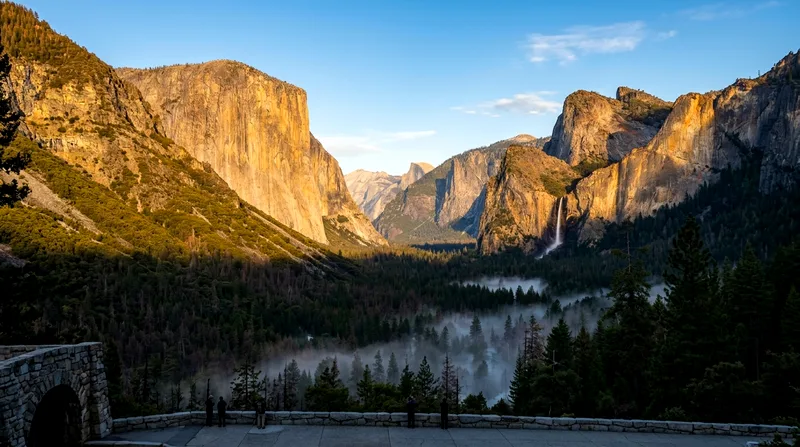
So is it worth it? Yes, conditionally. If your goal is to see Yosemite Valley's signature views — El Capitan, Half Dome from Tunnel View, Bridalveil Fall, Yosemite Falls — a single day delivers that convincingly. What it won't deliver is Glacier Point at sunset, a real hike to Vernal Fall, or any sense of the Sierra Nevada's backcountry. If you've got 2+ days free, I'd point you toward a one-night stay in or near the park instead; even a budget motel in Mariposa buys you a sunrise at Tunnel View and a proper trail, which no day tour can match.
Drive time vs actual park hours
Break down a typical 14-hour guided tour day: 2 hours of SF hotel pickups before you even leave the city, 4-4.5 hours driving to the valley, 4-5 hours inside the park, a 30-45 minute lunch stop (often outside the park to save money), then the return drive and drop-offs. Net result: you spend nearly 60% of your day in transit. Self-driving cuts the pickup loop but adds parking logistics once inside — valley lots fill by 10 a.m. in peak season, pushing some visitors to shuttle lots instead.
Cost-benefit analysis for one-day visits
Guided day tours from San Francisco to Yosemite typically run in the $150-$220 per person range as of recent seasons, usually including round-trip transport and a driver-guide, but not the park entrance fee ($35 per vehicle, or $20 for pedestrians/cyclists, standard as of 2024) and not meals. Self-driving costs far less in cash — gas, parking, and the entrance fee might total $60-80 for a car of four — but costs you flexibility if you're unfamiliar with mountain roads or don't want to drive 9 hours in a day. Weigh the premium you're paying against the comfort of not driving at all; for solo travelers and couples without a car, the guided option often makes more practical sense than the price gap suggests.
Tour Types: Guided vs Self-Drive Options
Three realistic ways to do this trip exist, and each suits a different traveler. Group bus tours are the budget-friendly default — a 20-to-45 seat coach, a fixed stop list, and a guide narrating en route. Private guided tours swap the bus for a van or SUV with 2-8 passengers, more flexible stops, and a guide who can adjust the itinerary slightly if traffic cooperates. Self-drive means renting a car or using your own, which gives total control over timing but zero narration and the full burden of mountain driving, including tire chain requirements in winter.
I'd steer most first-timers toward a small-group or private tour rather than self-driving, mainly because Yosemite's entrance roads and parking are genuinely frustrating for anyone who hasn't done it before. That said, group tours have a real downside: you're on someone else's clock. If the bus says 45 minutes at Tunnel View, you get 45 minutes, full stop — no lingering for better light.
Group tours are the cheapest and easiest way to see Yosemite Valley highlights in a day, but private tours and self-driving offer more control at a higher cost or effort.
Yosemite day trip from San Francisco: tour types compared
| Tour Type | Typical Group Size | Park Time | Flexibility | Best For |
|---|---|---|---|---|
| Group bus tour | 20-45 people | 4-5 hours | Low | Budget travelers, solo travelers |
| Private guided tour | 2-8 people | 5-6 hours | Medium-High | Couples, families, photographers |
| Self-drive (rental/own car) | 1-7 people | 5-7 hours | Full | Confident drivers, world travelers with time |
Figures approximate as of 2024; park time varies with season, traffic, and pickup location.
Group tours and private guides
Group tours suit budget-conscious travelers and solo travelers who want company without the cost of a private vehicle. Expect 20-45 people, a fixed loop (usually Tunnel View, Bridalveil Fall, a short valley floor walk, sometimes Glacier Point if the season allows), and limited flexibility on timing. Private tours cost more — often double — but let photographers chase better light, let families with children skip rushed bathroom stops, and let couples treat it as more of a honeymoon splurge day than a shuttle service.
Hotel pickup and transportation logistics
Most SF-based operators offer hotel pickup from central and Union Square-area hotels, typically between 6 and 7 a.m., with multiple pickup points adding 30-60 minutes before the drive truly starts. If you're staying near Fisherman's Wharf or SoMa, confirm your pickup point is actually convenient — some tours route pickups across four or five hotels before leaving the city, which eats into your park time before you've gone anywhere.
What to Look for When Booking
Not all Yosemite day tours are built the same, and the difference between a good one and a wasted day often comes down to details buried in the fine print rather than the marketing photos.
Inclusions, group size, and cancellation policies
Check exactly what's included before paying: does the price cover the park entrance fee, or is that added on arrival? Is lunch included, or just a stop at a general store outside the gate? Group size matters more than people expect — a 45-person coach means slower loading and unloading at every stop, while a 12-person van moves faster and gets better parking options. Also check the cancellation policy; weather and wildfire smoke can close roads or reduce visibility with little notice, especially in late summer, so a policy allowing free rescheduling within 24-48 hours is worth prioritizing over a slightly cheaper, non-refundable option.
Booking platforms and operator comparison
Platforms like Viator, GetYourGuide, and Klook all list multiple SF-to-Yosemite operators, and comparing listings across at least two of these sites before booking is a reasonable habit — the same tour sometimes appears on more than one platform at different prices. Read the most recent reviews specifically, not just the overall star rating; a tour that scored well two years ago might have changed vehicles, routes, or guides since. Always compare current prices and reviews directly on the booking platform before confirming, since availability and seasonal pricing shift throughout the year.
Best Seasons and Timing for Day Trips
Timing changes this trip more than almost any other variable. Yosemite Valley stays open and accessible year-round, but the experience in July looks nothing like the experience in November.
Seasonal crowds and road conditions
Summer (June-August) brings the heaviest crowds and the fullest parking lots — valley lots can fill by 9:30-10 a.m. on weekends — plus wildfire smoke risk in late summer that occasionally closes roads or tanks visibility for photos. Winter brings a different problem: Tioga Pass (Highway 120 East) closes seasonally, usually from around November through late May depending on snowfall, so day trips default to the Highway 140 or 120 West route through the foothills. Tire chains are sometimes required on mountain stretches after storms, which self-drivers need to plan for; guided tours typically handle this with appropriate vehicles.
Optimal months for day trip planning
Late April through early June is the sweet spot — waterfalls run at peak flow from snowmelt, crowds are lighter than summer, and roads are generally clear. Yosemite Falls, which can run dry by August in low-snow years, is at its most dramatic in May. September and early October offer a second good window: lighter crowds, stable weather, and good light for photography, though waterfalls thin out noticeably. I'd avoid booking a day trip for mid-July through August unless you have no other option — the combination of heat, crowds, and smoke risk makes it the least reliable stretch of the year.
Landmarks You Can Realistically See
Set expectations early: a day tour is a greatest-hits tour, not an exploration. You will see iconic viewpoints from the road or a short walk; you will not summit anything or complete a long trail.
Yosemite Valley highlights on tight schedules
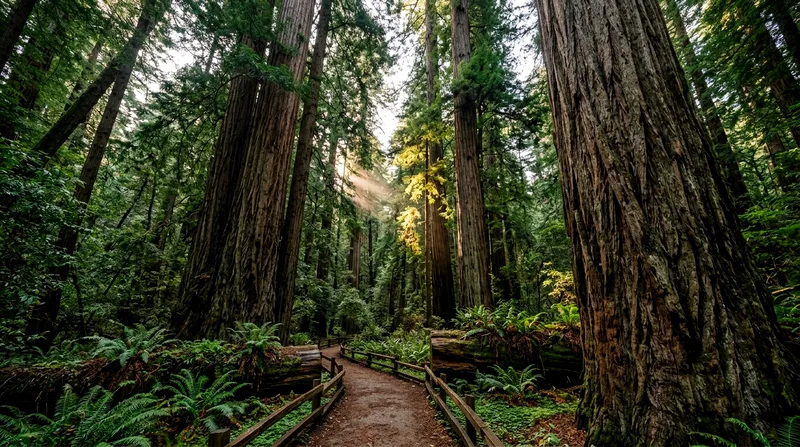
With 4-6 hours in the park, a realistic itinerary covers Tunnel View (a 5-minute roadside stop with the classic El Capitan and Half Dome panorama), Bridalveil Fall (a short, often crowded 0.5-mile round-trip walk to a viewing area), and a stretch of valley floor near Yosemite Falls, where the lower fall trail is an easy 0.5-mile round trip. Some itineraries squeeze in a Giant Sequoias stop at the Tuolumne or Mariposa Grove, but that usually means cutting valley time — ask before booking which combination your specific tour promises, since not all of them include the sequoias.
Photography opportunities during day trips
Tunnel View is the money shot and nearly every tour stops there, but midday light flattens El Capitan's granite face — if you have any control over timing, an early-arrival private tour beats a late-morning bus for photo quality. Bridalveil Fall photographs best with a slower shutter from the designated viewing platform, though spray can coat your lens in spring. Don't expect Glacier Point or Half Dome close-ups on a standard day tour; those require separate road access often unavailable on the same itinerary.
Frequently asked questions
Is it worth going to Yosemite for a day from San Francisco?
It's worth it if you want to see Yosemite Valley's main viewpoints — El Capitan, Half Dome, Bridalveil Fall — and don't have 2+ days to spare. It's not worth it if you want to hike seriously or see Glacier Point; the 8-9 hour round-trip drive leaves only 4-6 hours in the park.
How long is the drive from San Francisco to Yosemite?
Roughly 4 to 4.5 hours each way under normal conditions, covering about 170-190 miles depending on the route (Highway 120 or 140). Weekend traffic, winter chain controls, or wildfire smoke can extend this noticeably, so build in buffer time either direction.
What landmarks can you realistically see on a day trip?
Most itineraries cover Tunnel View, Bridalveil Fall, and the base of Yosemite Falls, with some including a Giant Sequoias grove stop. Half Dome summit access and Glacier Point are generally not included on standard day tours — confirm the exact stop list before booking.
Should you book a guided tour or self-drive to Yosemite?
Guided tours suit first-timers, solo travelers, and anyone uneasy about mountain driving or parking logistics. Self-driving costs less and offers full flexibility but requires comfort with long drives and, in winter, possible chain requirements on Highway 120 or 140.
What is included in a Yosemite day tour from SF?
Most tours include round-trip transport and a driver or guide; many do not include the park entrance fee (around $35 per vehicle) or meals. Always check the listing on platforms like Viator, GetYourGuide, or Klook for exact inclusions before paying.