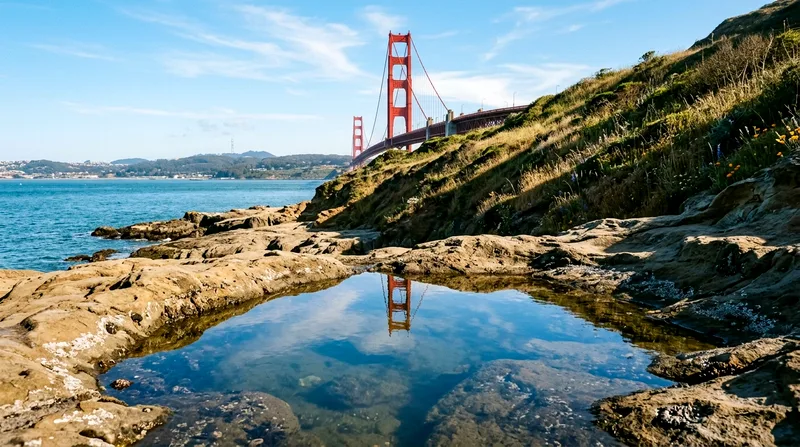
San Francisco Photography Tour Itinerary: Best Spots & Tours
Plan a San Francisco photography tour with this 3-day itinerary: golden-hour routes, iconic spots, hidden corners, and guided tours to book.
10 min read · 15 Oct 2026
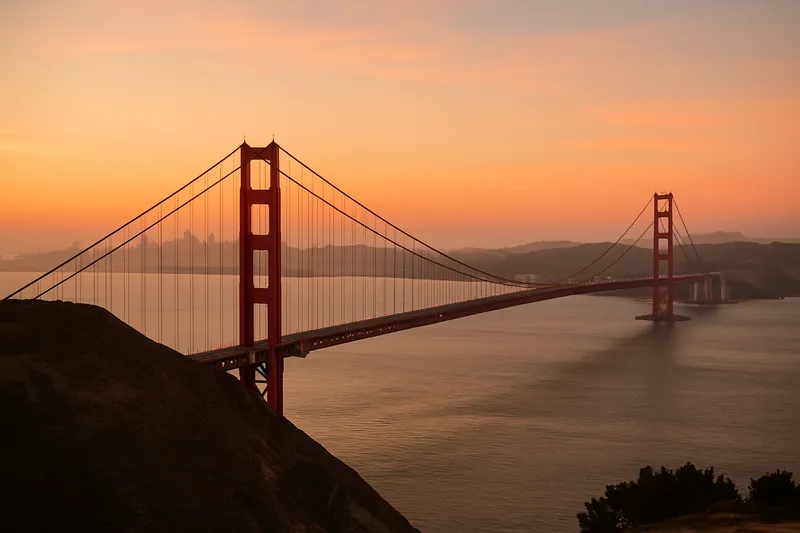
Itineraries
Mix-and-match San Francisco itineraries for 1-5 days. Day-by-day plans with Golden Gate Bridge, Alcatraz, Golden Gate Park, and bookable tours.
This San Francisco itinerary is built for first-time visitors who want the landmarks, the food, and at least one day that feels like actual local life rather than a checklist. It works whether you're traveling solo, bringing kids, celebrating a honeymoon, or passing through on a longer West Coast loop that includes Los Angeles or Lake Tahoe.
The structure is modular on purpose. Each day stands alone, so a long weekend means picking Days 1 and 2; a five-day trip means running the whole thing in order. If you're short on time, don't try to compress five days of content into three — you'll spend more time in rideshares than at the actual sights. Three full days is the realistic minimum to see the Golden Gate Bridge, Alcatraz, and Golden Gate Park without rushing each one into a blur.
A word on pacing: San Francisco is compact — seven miles by seven miles — but it's hilly and the fog rolls in fast, especially June through August. Mornings tend to be clearer than afternoons near the coast, so landmark photography and anything outdoors goes earlier in the day here. Families with young kids should expect to move at roughly 70% of the pace laid out below; cut one stop per day rather than rushing all of them. Older travelers and anyone with mobility concerns should know that Lombard Street, the Filbert Street steps, and much of the Mission involve real hills — cable cars and the F-line streetcar help, but plan transfers with that in mind.
Each day of this San Francisco itinerary has a different pace and crowd level, so match the day to your trip length and travel style before booking anything.
San Francisco itinerary days compared: focus, pace, and best visitor type
| Day | Main Focus | Pace | Best For |
|---|---|---|---|
| Day 1 | Golden Gate Bridge, bay cruise, Lombard Street | Moderate, lots of walking | First-timers, photographers, couples |
| Day 2 | Alcatraz Island, Fisherman's Wharf | Fixed schedule, moderate | Families, first-timers, history fans |
| Day 3 | Golden Gate Park, museums, gardens | Relaxed, flat terrain | Families, culture seekers, senior travelers |
| Day 4 | Mission, Castro, Haight-Ashbury | Walking-heavy, flexible | Solo travelers, LGBTQ travelers, foodies |
| Day 5 | Muir Woods, Sausalito, or Monterey | Half or full day out of town | Wine lovers, world travelers, nature fans |
Figures as of 2025; Alcatraz and Muir Woods both require advance timed reservations.
Start at the Golden Gate Bridge itself, ideally by 9am before tour buses fill the Welcome Center lot. Walk partway across from the eastern sidewalk — about a mile round trip to the first tower and back — for the classic view back toward the city. Photographers should note the bridge faces into the fog belt, so the span itself sometimes vanishes by noon in summer; spring and fall mornings give the most reliable clear shots.
From there, a short drive or rideshare takes you to the Marin headlands for the postcard wide shot, then back into the city toward Lombard Street — the famous switchback block that's more fun to photograph than to drive, honestly. Expect a short queue to walk it in peak season.
After Lombard Street, head to the Presidio for lunch — Presidio Tunnel Tops has food trucks and bay views without the PIER 39 crowds. Afternoon is a good slot for a bay cruise past the bridge and Alcatraz; this is the one bookable experience worth reserving for today, since afternoon departures often clear out the morning fog and give better light for photos. Compare current boat tour times and prices before you book, since schedules shift seasonally. Couples and honeymooners should aim for a late-afternoon departure — the light around 4-5pm in summer is noticeably better than midday.
Ride the Powell-Hyde cable car line down toward Fisherman's Wharf for dinner — it's touristy, it's a little overpriced, and I'd still recommend it once for the hill views alone. A single-ride fare runs about $8; if you're planning to use cable cars more than twice, a Muni Passport (1-day, roughly $13-24 depending on duration) pays for itself fast. Skip the wharf's chain restaurants and walk a few blocks into North Beach instead for actual Italian food and less of a crowd.
Alcatraz Island is the one ticket in this entire itinerary you genuinely cannot buy on the day of. Tickets are sold through the official ferry operator and routinely sell out 1-2 weeks in advance in summer, sometimes longer around holidays. Book your specific date and departure time as soon as your travel dates are set — this is the single most important reservation in your whole San Francisco trip planner.
Ferries leave from Pier 33, not PIER 39 — a mix-up that causes a surprising number of missed boats. Arrive 30 minutes before departure; the ferry ride itself takes about 15 minutes, and the full visit, including the audio tour of the cellhouse, runs 2-2.5 hours. The audio tour, narrated partly by former inmates and guards, is genuinely good and included in the ticket price. Early morning departures (first boat, usually around 8:45am) have thinner crowds and better light for photos of the city skyline from the island.
Back on the mainland by early afternoon, walk to PIER 39 for sea lions and bay views — worth 30 minutes, not much more unless kids want the arcade or aquarium. Fisherman's Wharf itself is overrated for food but fine for a quick clam chowder in a sourdough bowl. If legs are tired, this is a good low-effort evening: an early dinner near the wharf and an easy walk back, rather than pushing into another neighborhood.
Golden Gate Park is larger than Central Park and genuinely deserves a full day — most itineraries shortchange it, which is a mistake. Start at the de Young Museum or the California Academy of Sciences (they sit across a plaza from each other; pick one unless you have kids who'll tolerate both). The Academy, with its planetarium, aquarium, and living roof, is the stronger pick for families.
The Japanese Tea Garden, built in 1894, is the oldest public Japanese garden in the US and costs around $13 for non-residents — go right at opening (9am) to beat tour groups. Pair it with the Conservatory of Flowers nearby. Budget 3-4 hours total for museums and gardens combined; trying to do both major museums plus the gardens in one day leaves you rushing everything.
Late afternoon, walk or bike west through the park toward Ocean Beach for sunset — bikes rent for roughly $6-10/hour near the park entrance and this stretch is flat, unlike most of the city. Dinner in the inner Richmond or Sunset district gives you excellent, affordable Asian food without a tourist markup. This day works best for culture-focused travelers and photographers; families with very young kids may want to swap the long park walk for just the Academy of Sciences and a playground.
This is the day that separates a generic San Francisco itinerary from one that actually shows you the city. No single landmark anchors it — instead, you're walking through neighborhoods, which rewards comfortable shoes and a loose schedule more than a fixed timetable.
Start late morning in the Mission District for murals on Balmy Alley and Clarion Alley, then lunch at one of the taquerias on Mission Street — La Taqueria or El Farolito are the two most argued-about favorites, and either is a safe bet for a $10-14 burrito that's genuinely better than what you'll find in most of the country. This neighborhood is also the city's best for coffee shops and bookstores if you want a slower afternoon.
From the Mission, head to the Castro — the historic center of LGBTQ San Francisco, with rainbow crosswalks at 18th and Castro and the restored Castro Theatre worth a look even if you don't catch a film. Walk or take the N-Judah a short stretch to Haight-Ashbury for 1960s counterculture history and vintage shops. End the day at Alamo Square to photograph the "Painted Ladies" Victorian houses with the downtown skyline behind them — best light is late afternoon, and it's one of the few free, crowd-tolerant photo spots in the city.
If you have a fifth day, leave the city. San Francisco itself is compact enough that a fifth full day inside the city limits usually means repeating a neighborhood you've already half-seen — better to use it on a day trip that you genuinely cannot replicate anywhere else nearby.
Muir Woods, about 45 minutes north across the Golden Gate Bridge, holds old-growth coastal redwoods and requires a timed parking or shuttle reservation year-round — this isn't optional, and the lot fills up by mid-morning on weekends. Pair it with Sausalito, a short ferry ride back from the city (about 30 minutes, roughly $15-16 one-way) for lunch on the waterfront. This combination works well as a half-day tour if you book transportation in advance, leaving the afternoon free; compare current half-day tours before you book, since Muir Woods access rules change seasonally.
For a full-day extension, Monterey (about 2-2.5 hours south by car) combines well with a stop in Carmel-by-the-Sea and makes sense if you're continuing down toward Los Angeles or San Diego afterward. Yosemite is the bigger commitment — a 3.5-4 hour drive each way — and really deserves its own overnight rather than a rushed day trip; if you only have one extra day, Monterey or Napa Valley (about 1-1.5 hours northeast, better for wine lovers than families) are the more realistic choices. Skip Yosemite as a single-day add-on unless you're comfortable with roughly 7 hours of driving for a few hours in the park.
Three full days covers the core landmarks — Golden Gate Bridge, Alcatraz, Golden Gate Park, and one neighborhood day — without rushing. Two days works for a weekend trip if you accept skipping either the park or a neighborhood day. Five days lets you add Muir Woods, Sausalito, or Monterey without feeling like you're padding the schedule.
Alcatraz and the Golden Gate Bridge are the two that genuinely justify advance booking — Alcatraz tickets sell out 1-2 weeks ahead in summer. Beyond those, Golden Gate Park's Japanese Tea Garden and at least one real neighborhood walk (Mission or Castro) give you a sense of the city beyond postcard shots.
Run Days 1 through 3 from this plan: Golden Gate Bridge and bay views on day one, Alcatraz and Fisherman's Wharf on day two, Golden Gate Park and museums on day three. This sequence books Alcatraz early enough to secure tickets and groups outdoor, fog-sensitive activities into the mornings.
Yes — four days is comfortable, adding a neighborhood-focused day (Mission, Castro, Haight-Ashbury) to the standard three-day core. It's enough time to slow down, skip a rideshare or two, and actually sit in a café rather than treating every stop as a photo op.
For a two-day weekend, combine Day 1 (Golden Gate Bridge and bay cruise) with Day 2 (Alcatraz and Fisherman's Wharf), and book your Alcatraz ferry ticket as soon as your dates are confirmed. Drop Golden Gate Park or compress it into a 90-minute visit to the Japanese Tea Garden on your way to the airport if your flight allows it.
Plan a San Francisco photography tour with this 3-day itinerary: golden-hour routes, iconic spots, hidden corners, and guided tours to book.
10 min read · 15 Oct 2026
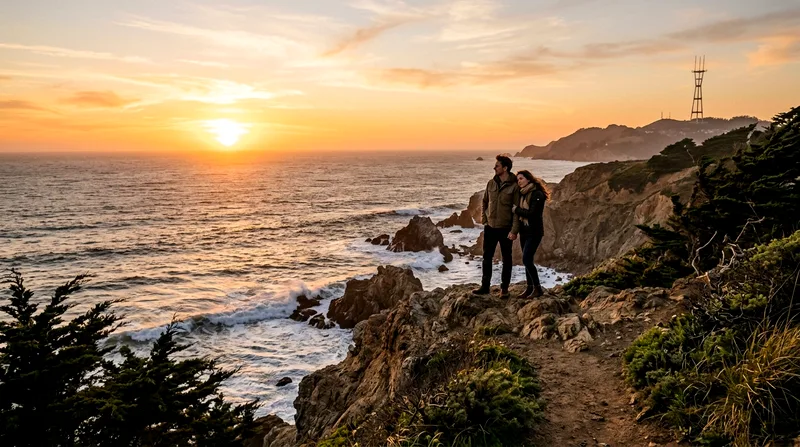
Plan your San Francisco honeymoon with our 4-day itinerary: sunset cruises, Napa wine tasting, couples spas & romantic dining for newlyweds.
11 min read · 15 Oct 2026
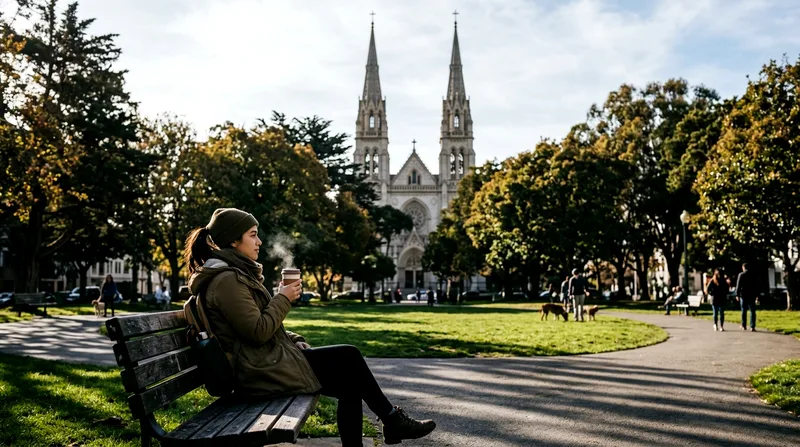
A 3-day San Francisco solo travel itinerary with group tours, social dining, and safe neighborhoods—built for meeting people while seeing the city right.
10 min read · 15 Oct 2026
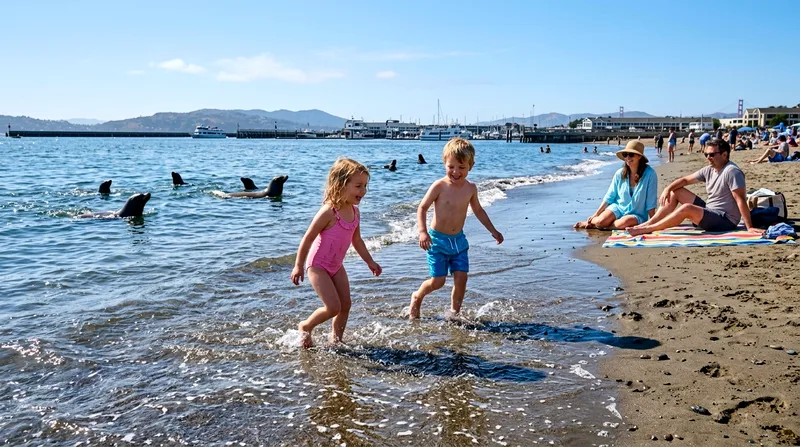
Plan your San Francisco family trip with this kid-tested 4-day itinerary. Stroller-friendly routes, nap breaks, and bookable family tours included.
10 min read · 15 Oct 2026
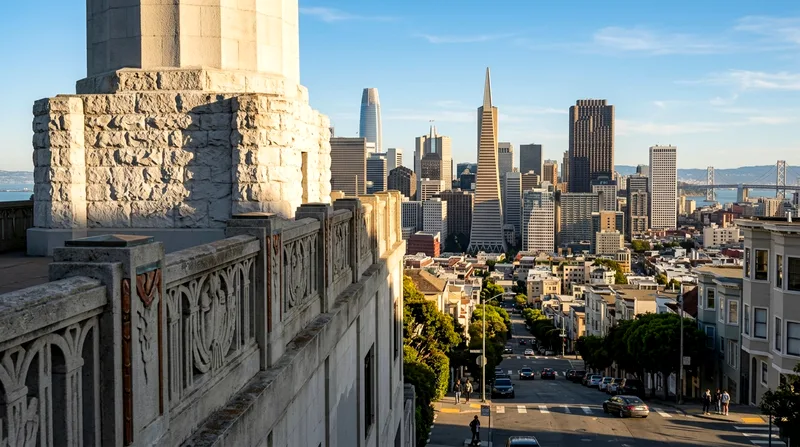
A practical 3 days in San Francisco itinerary covering the Golden Gate Bridge, Alcatraz, Chinatown, and a wine country day trip, with booking tips.
9 min read · 15 Oct 2026
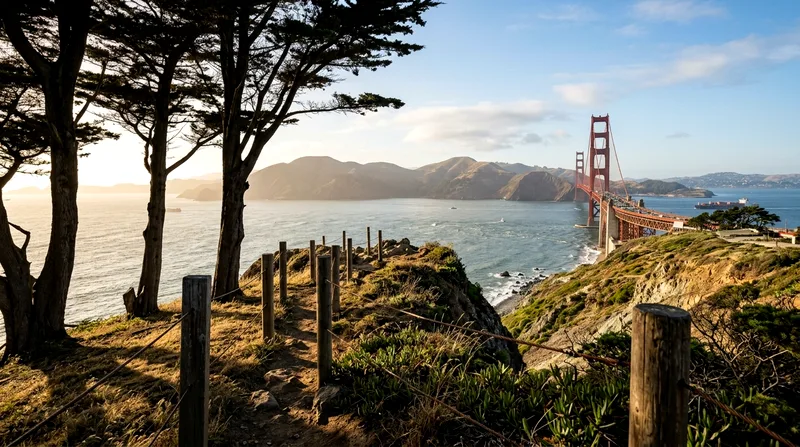
Maximize your one day in San Francisco with this hour-by-hour itinerary. Hit Golden Gate Bridge, Fisherman's Wharf, Twin Peaks & more.
8 min read · 15 Oct 2026