A 3-day San Francisco solo travel itinerary with group tours, social dining, and safe neighborhoods—built for meeting people while seeing the city right.
Who This Itinerary Is For
This San Francisco solo travel itinerary is built around a simple fact: the city is unusually easy to navigate alone, and unusually easy to meet people in, if you pick the right activities. You don't need a car. You don't need to pre-plan every meal. You do need a rough structure, because SF's neighborhoods are spread out and a day spent guessing where to go next is a day wasted.
It's aimed at solo travelers doing 3 days, though the structure stretches to 4 or 5 easily by adding a Napa Valley or Lake Tahoe day trip. It works for a 28-year-old backpacker and a 62-year-old retiree equally well, because the group tours and food halls it recommends attract a mixed crowd, not a party-hostel crowd. If you're traveling solo specifically to meet people — rather than just to see sights alone — this itinerary leans harder into scheduled group experiences than a typical "top sights" guide would.
It's not ideal for travelers who find guided tours tedious or who want total improvisation every day. If that's you, use this as a skeleton and skip the tours — SF still works fine as a wander-and-figure-it-out city, just with less built-in social contact.
Monterey suits a single rushed day better than Yosemite or Tahoe, which both reward an overnight stay instead.
San Francisco solo travel itinerary: day-trip options compared
| Day Trip | Drive Time (one-way) | Best For | Group Tour Fit |
|---|---|---|---|
| Monterey & Carmel | approx. 2 hours | Aquarium, coastal views, easy pace | Strong — full day works well |
| Napa Valley | approx. 1-1.5 hours | Wine tasting, vineyard scenery | Strong — avoids driving after tasting |
| Yosemite National Park | approx. 3.5-4 hours | Granite cliffs, waterfalls, hiking | Rushed as a day trip; better overnight |
| Lake Tahoe | approx. 3.5-4 hours | Skiing, alpine lake, hiking | Better as 2-day trip than single day |
Drive times as of 2024 under normal traffic; add 30-60 minutes on weekends or in winter weather.
Day 2: Neighborhoods & Group Experiences
Day two moves inland and gets more social. This is the day to prioritize a booked walking tour and an evening food experience over a checklist of sights — the Mission District and the Haight both reward slow wandering with a guide more than solo navigation with a map app.
Morning: Mission District walking tour
The Mission District has the best mural-and-street-art concentration in the city, particularly along Balmy Alley and Clarion Alley, and a 2-3 hour guided walking tour here is one of the better group bookings for solo travelers because groups stay small — often 10 to 15 people — and tours end near a cluster of taquerias. Mission burritos are a genuine local institution; La Taqueria and El Farolito both regularly top local "best burrito" debates, and a $12-14 burrito here beats most $25 wharf meals on value.
Walk it rather than Uber it between stops. The Mission's grid is flat and easy, and daylight hours are safe for solo walking, though it's worth knowing that the blocks east of Mission Street toward the 16th and Mission BART station can feel rougher after dark — stick to well-lit, busier streets at night.
Afternoon & Evening: Food tour or nightlife meetup
Spend the afternoon in the Castro or Hayes Valley, both walkable from the Mission in 20-30 minutes. The Castro is the center of SF's LGBT scene and genuinely welcoming for solo LGBT travelers — Harvey Milk Plaza and the surrounding bars make for easy, low-pressure evening socializing without needing a booked activity.
For dinner, book a small-group food tour rather than eating alone at a sit-down restaurant — North Beach's Italian-food walking tours and Chinatown night-market tours both run in small groups and typically include four to six tasting stops over about 2.5 hours. If food tours aren't your thing, look for a trivia night or a running club meetup through Meetup.com; SF has an unusually active expat and traveler meetup scene for a city its size.
Yosemite or Monterey group excursion
Monterey is about a 2-hour drive south and makes a realistic single-day group tour, usually combined with a stop in Carmel-by-the-Sea for lunch; the Monterey Bay Aquarium alone is worth 3 hours. Yosemite National Park is a far bigger commitment — roughly 3.5 to 4 hours each way — and a day trip there means 8+ hours on a bus with only 3-4 hours actually in the park. It's doable and group tours run it regularly, but if you have an extra day, an overnight in Yosemite beats the rushed version. Compare that against Monterey, which rewards even a tight one-day itinerary far better.
Booking a group day-tour bus for either destination solves the solo-traveler car problem and usually means a guide narrating the drive, plus fellow travelers to split a lunch table with in Carmel.
Local hiking or wine country tour
If a long bus ride doesn't appeal, Napa Valley is closer — about 1-1.5 hours from SF — and a small-group wine tour solves the obvious solo problem of needing a designated driver. Expect tours to include 2-3 winery stops over roughly 6 hours; book a tour rather than self-driving if you're planning on tasting seriously.
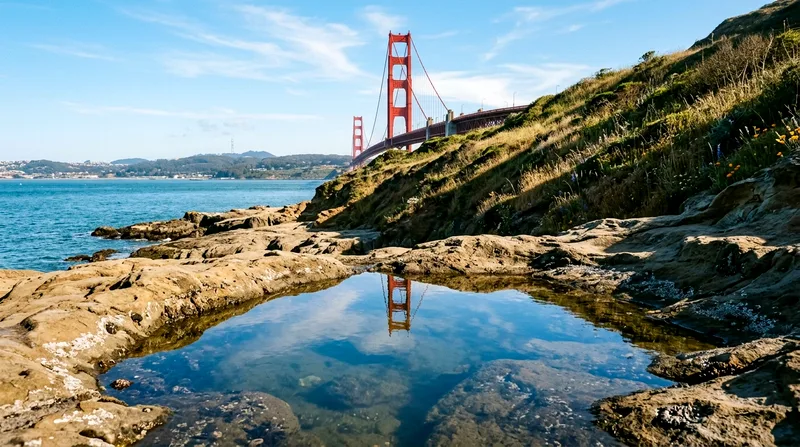
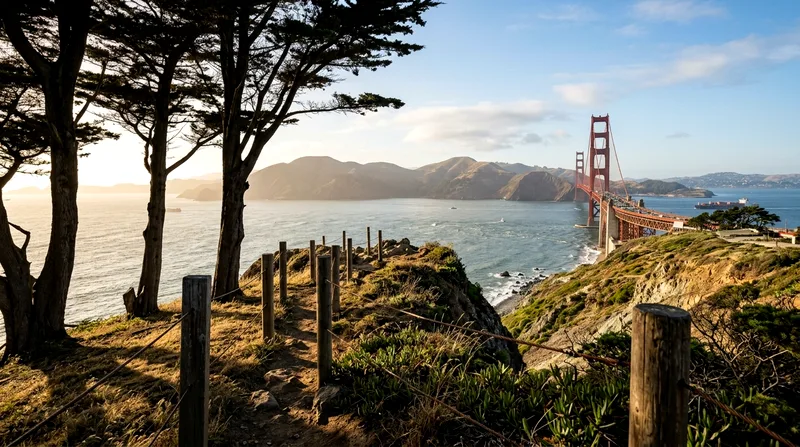
For something free and physical, hike the Lands End trail near the Legion of Honor — about 3.5 miles round trip with strong Golden Gate and Marin Headlands views — or rent a bike and ride the full waterfront from the Wharf to the bridge. Both are safe solo in daylight and don't require booking anything.
Getting Around San Francisco
San Francisco is one of the few American cities where a solo traveler genuinely doesn't need to rent a car, and shouldn't — parking runs $40-60 a day downtown, and the hills make unfamiliar driving stressful. BART connects San Francisco International Airport to downtown in about 30 minutes for roughly $10-12, and it's the obvious airport transfer for solo travelers watching costs; a taxi or rideshare covers the same distance for $45-65.
Within the city, the Muni system (buses, streetcars, and the iconic cable cars) covers most tourist routes, and a Muni day pass costs around $5. Walking covers a surprising amount of ground too — Union Square to the Ferry Building is a 15-minute flat walk, though Union Square to Fisherman's Wharf involves real hills.
Compare this to Los Angeles, where a solo traveler without a car is seriously limited, or Seattle and Portland, both walkable but with less tourist-focused transit infrastructure than SF's BART-plus-Muni combination. Avoid renting a car just for city days; save it only if you're extending into Napa or Tahoe independently.
Where to Base Yourself as a Solo Traveler
Union Square is the default base for a reason — it's central, well-lit at night, close to BART and Muni lines, and within walking distance of the Ferry Building, Chinatown, and the cable car turnarounds. It's also touristy and the rooms around it skew pricier, roughly $180-280 a night for a mid-range hotel.
Fisherman's Wharf is convenient for day-one sightseeing but dead and overpriced at night — avoid basing your whole trip there. The Mission and Hayes Valley offer a more local feel, better and cheaper food, and still-solid safety profiles in daylight and early evening, though both require a short Muni or Lyft ride back after dark if you're out late. The Castro is an excellent base for LGBT solo travelers specifically, with a walkable, socially active evening scene that doesn't require a planned activity to feel comfortable in.
For pure budget, hostels in the Lower Haight and near Union Square (roughly $40-70/night for a dorm bed) often run their own group activities — pub crawls, walking tours — which solves the meeting-people problem before you've even unpacked.
Bookable Group Experiences & Tours
The single best thing a solo traveler can do for this trip is book two or three group experiences before arriving, rather than hoping to find people once there. San Francisco's tour market is dense enough that solo bookings are normal, not awkward — guides expect single travelers and usually pair you naturally into the group dynamic.
Walking tours and food experiences
Prioritize small-group walking tours (Mission murals, North Beach food, Chinatown alleyways) over big-bus city tours — groups of 10-15 create actual conversation, while a 40-person bus doesn't. Food tours double as dinner, which solves the single most awkward part of solo travel: the solo restaurant table. Compare current walking and food tour options and prices before you book, since availability shifts by season and day of week.
Adventure activities and day trips
Bay cruises, bike-and-ferry combos to Sausalito, and day-trip buses to Monterey, Napa, or Yosemite all function as built-in social time for a solo traveler, since you're seated or grouped with strangers for hours at a stretch. Surfers and sportsmen can look into a group surf lesson at Pacifica, about 30 minutes south — far more beginner-friendly than Ocean Beach's heavier breaks. Check current prices and schedules when booking, as departure times vary by season and weather.
Frequently asked questions
What is the best itinerary for a solo traveler in San Francisco?
A 3-day structure works best: day one for Golden Gate Bridge and a bay cruise or wharf food tour, day two for the Mission District and Castro with a booked walking or food tour, day three for a Monterey or Napa group day trip. Each day pairs one major sight with one booked social activity.
How many days do you need to explore San Francisco?
Three full days covers the core city comfortably — Golden Gate Bridge, Fisherman's Wharf, the Mission, Chinatown, and one day trip. Add a fourth or fifth day if you want Yosemite or Lake Tahoe as an overnight rather than a rushed single-day excursion.
What are the safest neighborhoods for solo travelers in SF?
Union Square, the Marina, Hayes Valley, and the Castro are consistently safe day and night. The Mission and Haight are safe in daylight but warrant more street awareness after dark, particularly near transit stations.
How do solo travelers get around San Francisco?
BART connects SFO to downtown in about 30 minutes for roughly $10-12. Within the city, Muni buses and streetcars plus walking cover almost everything; a car is unnecessary and parking runs $40-60/day downtown, so skip renting one unless you're self-driving to Napa or Tahoe.
What group tours are best for meeting people in San Francisco?
Small-group walking tours in the Mission or North Beach, food-tasting tours in Chinatown, and bay cruises past Alcatraz all run with mixed solo-and-couple groups of 10-20 people, making them easier for meeting people than large bus tours or eating alone at a restaurant.