A practical 3 days in San Francisco itinerary covering the Golden Gate Bridge, Alcatraz, Chinatown, and a wine country day trip, with booking tips.
Who This Itinerary Is For
This 3 days in San Francisco itinerary is built for people who want the landmarks and real neighborhood texture without burning a week doing it. It suits first-timers ticking off the Golden Gate Bridge and Alcatraz, couples wanting a wine country afternoon, and families with kids old enough to handle a few miles of walking per day. Solo travelers and photographers will find the pacing comfortable — there's room to linger at Lands End for an hour of shooting without derailing the day.
It's less suited to anyone trying to combine San Francisco with a serious ski trip to Lake Tahoe or a multi-day Yosemite hike in the same 72 hours — the driving alone eats a full day each way. If you're set on skiing, treat San Francisco as a bookend and add 2-3 days at Tahoe separately. Surfers should know the city's own beaches (Ocean Beach) are better for watching than for learning — Pacifica, 20 minutes south, is the friendlier spot for beginners.
Budget travelers can run this itinerary for roughly $400-600 per person over three days excluding hotel, covering transit passes, Alcatraz, one museum, and a mid-range wine tour. Add $300-500 per night for a decent downtown hotel, more in peak summer and during major conventions (Moscone Center events can spike rates sharply).
Day 1: Golden Gate and Waterfront
Day one is about orientation and the view everyone actually came for. Start early — San Francisco fog ("the Karl the Fog" phenomenon locals joke about) typically burns off by late morning in summer, so a 9am start at the bridge usually beats noon for clear photos.
Alcatraz and the wine country day are the two parts of this San Francisco itinerary worth booking before you land.
3 days in San Francisco itinerary: daily focus, time needed, and booking priority
| Day | Main Focus | Time Needed | Book Ahead? |
|---|---|---|---|
| Day 1 | Golden Gate Bridge, Presidio, Fisherman's Wharf, Alcatraz, Chinatown | Full day, 9am-9pm | Yes — Alcatraz ferry slot |
| Day 2 | Golden Gate Park, one museum, Haight-Ashbury, North Beach | Full day, 9am-9pm | Recommended — museum timed entry |
| Day 3 | Napa Valley or Sonoma County wine tasting | Half day, 8am-5pm | Yes — tour or car service |
Figures approximate as of 2024; traffic and ferry schedules vary seasonally, so check current times when booking.
Morning: Golden Gate Bridge and Presidio
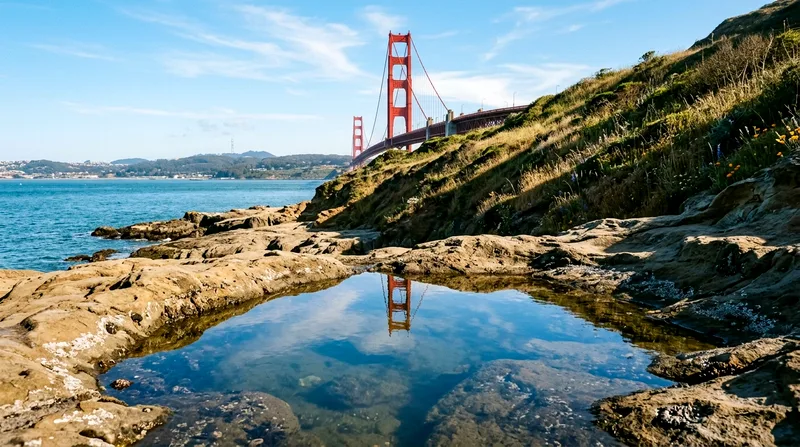
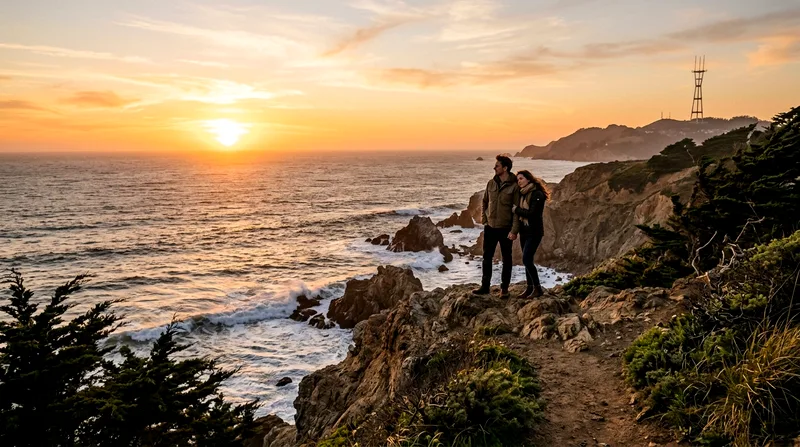
Walk the eastern sidewalk of the Golden Gate Bridge from the welcome plaza — it's about 1.7 miles one way to the Marin side, but most people turn back after the first viewpoint, roughly 20 minutes in, for a round trip under an hour. The Presidio, the former Army post surrounding the bridge's southern approach, has walking trails and the Lands End Trail further west, which gives a better bridge-and-cliffs composition than the bridge itself — budget 45 minutes there if you're a photographer chasing the shot everyone else is also chasing.
Rent a bike instead if your legs are tired from flying in. Blazing Saddles and several other outfits rent near Fisherman's Wharf for about $8-10 an hour or $40-50 a day, and cycling the bridge to Sausalito, then taking the ferry back ($12-15, roughly 30 minutes), is a genuinely good half-day substitute if walking doesn't appeal.
Afternoon and Evening: Fisherman's Wharf and Chinatown
Head to Fisherman's Wharf by early afternoon. This is the one bookable reservation you absolutely need locked in before the trip: Alcatraz Island tours are run through the National Park Service concessionaire and routinely sell out 1-2 weeks ahead in peak season, sometimes longer around holidays. The ferry ride is about 15 minutes, and the standard audio tour runs 2-2.5 hours total including the cellhouse. Book your specific time slot — morning tours are less crowded and the light inside the cellblocks is better for photos.
I'll be honest: the Wharf itself is overpriced and touristy — Boudin Bakery and the sourdough bowl clam chowder are fine but not worth more than one meal. Skip the wax museums entirely; they're a waste of an hour you don't have. Instead, walk 15 minutes into Chinatown through the Dragon's Gate on Grant Avenue for dinner — Stockton Street has better, cheaper, more authentic food than anything at the Wharf, and the alleys off Grant are worth a wander for an hour before you eat.
Day 2: Parks, Culture, and Neighborhoods
Day two trades landmarks for the city's cultural core and its best neighborhoods on foot. This is the day that rewards comfortable shoes over a packed schedule.
Morning: Golden Gate Park and museums
Golden Gate Park is bigger than Central Park — over 1,000 acres — so don't try to see all of it. Pick one museum: the de Young for art, or the California Academy of Sciences for families (it has an aquarium, planetarium, and living rainforest dome under one roof, and tickets run around $40 for adults, less for kids). The Japanese Tea Garden next door costs about $12-15 and takes 30-45 minutes — go right at opening (9am) to avoid tour groups.
Book museum tickets online the night before; the Academy of Sciences in particular sells timed entry and weekend slots fill up. If you only have energy for one stop, the Academy edges out the de Young for families and photographers; the de Young's tower has a free observation floor with a decent city view, which the Academy doesn't offer.
Afternoon and Evening: Haight-Ashbury and North Beach
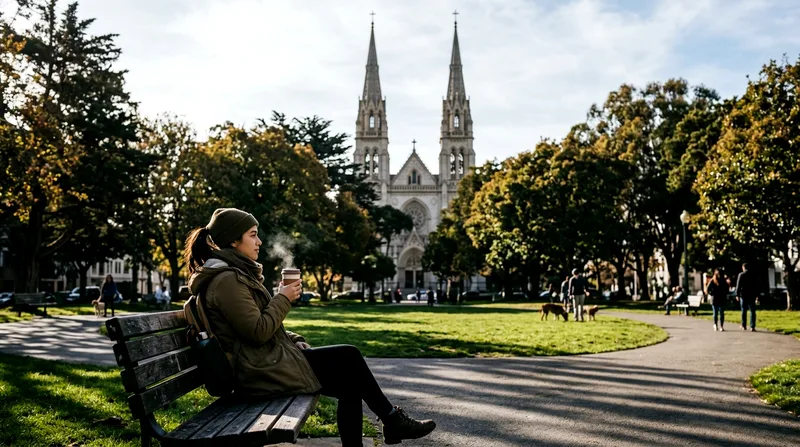
Walk or take the 7 Muni bus east to Haight-Ashbury, the 1960s counterculture neighborhood that's now a mix of vintage shops and chain stores with a few genuine holdouts like Amoeba Music. An hour here is plenty unless you're deep into music history.
In the evening, cross town to North Beach, San Francisco's old Italian quarter. City Lights Bookstore (free, open until 10pm most nights) and the surrounding blocks of Columbus Avenue have better, more relaxed dining than the Wharf — expect $25-40 per person for a sit-down Italian dinner. Compare this to North Beach in, say, Seattle's Pike Place area or Portland's food cart pods: San Francisco's version has more history and better pasta, but Portland wins on value if that's your priority.
Day 3: Wine Country Half-Day Trip
Your third day leaves the city for Napa Valley or Sonoma County, both under 90 minutes away without traffic. This is the single most commonly regretted un-booked piece of a San Francisco itinerary — driving yourself means one person doesn't get to taste, and rideshares out there run $80-120 each way, so a reserved tour or car service is usually the better economics for two or more people.
Morning: Travel to Napa or Sonoma
Leave by 8am to beat Bay Bridge and Highway 101 traffic. Napa Valley is more polished and crowded, with bigger-name wineries and tasting rooms that often require reservations even for walk-up-style visits; Sonoma County is quieter, more spread out, and generally cheaper, with tasting fees averaging $20-40 versus $40-75 at many Napa spots. If you'd rather not drive, a half-day or full-day wine tour with transport included is the easiest booking — reserve it at least a few days ahead in summer and during harvest season (late August through October), when demand peaks and some tours sell out.
Afternoon: Wine tasting and return
Plan two to three tastings, not five — palates fatigue and so do drivers' patience schedules. A realistic pace is 45-60 minutes per winery including a short walk through the vines. Have lunch in the town of Napa or Sonoma's historic plaza rather than at a winery; it's usually cheaper and faster. Head back by 4-5pm to avoid the return commute crunch. If wine isn't your thing, swap this day for Monterey (about 2 hours south, with the aquarium and 17-Mile Drive) or a half-day in Muir Woods, which is closer at roughly 45 minutes from downtown and free of alcohol logistics entirely.
Getting Around San Francisco
Get a Clipper card immediately — it's the reloadable transit card covering Muni buses and trains, BART, and the cable cars, and it's cheaper than paying cash fares every time. A single Muni ride is $3; a day pass is better value if you're taking more than three rides, which you will be on day two. Cable cars are a flat $8 per ride and don't take standard transfers, so budget for them separately if you want the Powell-Hyde line experience (worth doing once, skippable twice).
Walking covers most of downtown, North Beach, and Chinatown fine, but San Francisco's hills are real — not Seattle-steep everywhere, but steep enough that a day of sightseeing in Nob Hill or Russian Hill adds up faster than the mileage suggests. Uber and Lyft are reliable and generally cheaper than taxis for short hops. For day three, renting a car only makes sense if you're comfortable with one-way tolls (the Golden Gate Bridge charges a cashless toll, billed later to the rental company, typically $8-9) and don't mind Sonoma's narrower back roads.
Where to Base Yourself
Where you sleep shapes how much time you lose to transit each day, so this matters more in a 3-day window than a longer trip.
Downtown and Union Square
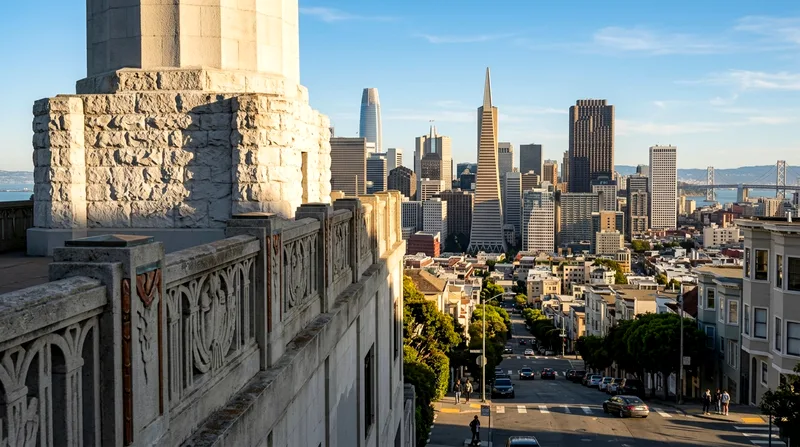
Union Square puts you within walking distance of cable car lines, BART, and most Muni routes, which matters when you're trying to hit the park, Chinatown, and the Wharf in the same 72 hours. Expect to pay $250-450 a night for a mid-range hotel here, more for anything branded. The downside: it's touristy and can feel sterile at night, and the Tenderloin's edges sit uncomfortably close on the western side — fine in daylight, best avoided wandering alone late at night.
North Beach and Fisherman's Wharf
Basing near North Beach puts you close to Day 1's waterfront activities and good food, with a more neighborhood feel than Union Square. It's a worse choice logistically for Day 2's Golden Gate Park plans, adding 20-30 minutes each way by bus. Fisherman's Wharf hotels specifically tend to be overpriced for what you get — you're paying for proximity to a tourist strip, not for quality. North Beach proper, a few blocks inland, is the better value within the same area.
Frequently asked questions
Is 3 days enough time in San Francisco?
Yes, for the main landmarks and two or three neighborhoods, but it's tight. You'll see the Golden Gate Bridge, Alcatraz, Golden Gate Park, and a wine country day, but you won't get to everything — Muir Woods, the Mission's murals, and a Giants game at Oracle Park usually get cut first. If you can stretch to 4-5 days, add one of those rather than trying to squeeze more into the existing three.
What are the worth seeing attractions in San Francisco?
The Golden Gate Bridge, Alcatraz Island, Golden Gate Park, and at least one historic neighborhood walk — Chinatown or North Beach — are the non-negotiables. Fisherman's Wharf is popular but overrated; treat it as a 2-3 hour stop for the Alcatraz ferry, not a destination in itself.
How do I get around San Francisco?
Get a Clipper card for Muni buses, trains, and BART — a single ride is $3, cable cars are a flat $8. Walking covers downtown and the waterfront neighborhoods fine, but the hills are steep enough to slow you down. Rideshares are the easiest option for longer hops or late evenings.
What are good day trips from San Francisco?
Napa Valley and Sonoma County (60-90 minutes) are the classic choices for wine. Monterey and Carmel (about 2 hours south) suit families and photographers with the aquarium and 17-Mile Drive. Muir Woods (45 minutes) works well if you want redwoods without the wine-tasting logistics.
Where should I stay in San Francisco?
Union Square or downtown gives the best access to transit for this itinerary's mix of park, waterfront, and neighborhood stops, typically $250-450 a night mid-range. North Beach is a better pick for food and atmosphere but adds commute time to Golden Gate Park. Avoid basing yourself directly at Fisherman's Wharf — you pay a premium for a location you'll only need on day one.