Learn how to save on San Francisco tickets with combo deals, off-peak pricing, free days, and smart booking tactics that actually work.
Where Your Ticket Money Goes
San Francisco isn't cheap, and attraction pricing reflects that. A family of four doing Alcatraz, the California Academy of Sciences, and the Aquarium of the Bay in one day can easily spend $250-$350 before anyone's eaten lunch. Understanding what you're actually paying for helps you decide where to cut and where not to bother.
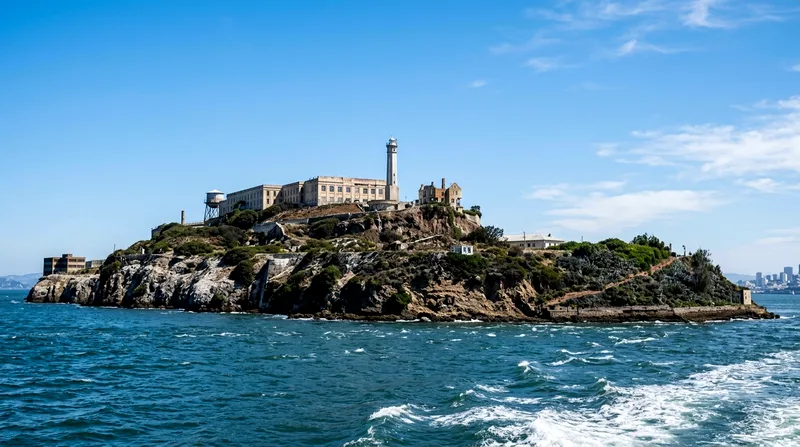
Base admission covers facility upkeep, staffing, and — for places like Alcatraz — the boat ride itself, since the National Park Service site is only reachable by ferry concession. That's a cost structure tourists in Los Angeles or San Diego don't deal with; there's no walk-up option for Alcatraz, period. Compare that to something like the Exploratorium, where a flat admission gets you unlimited access to hundreds of hands-on exhibits for the day — arguably better value per dollar than many single-focus attractions.
CityPASS, where you encounter it by name, isn't a discount code — it's a bundled admission product sold directly by the attractions' ticketing partners, and pricing is published on their official sites, not something I'll guess at here.
Admission vs. operational costs
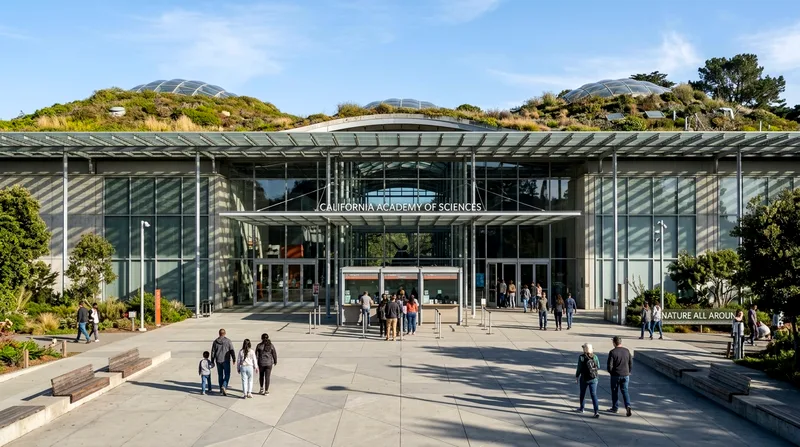
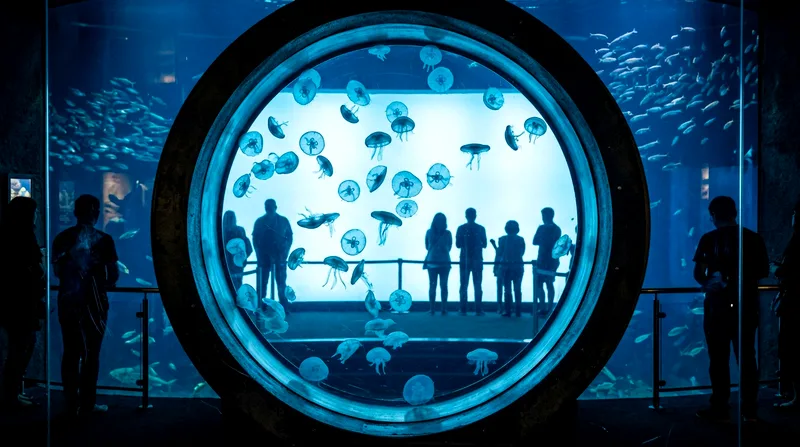
General admission is usually the cheapest tier at any given attraction. The California Academy of Sciences, for instance, has one admission price that includes the planetarium, aquarium, and rainforest dome under one roof — you're not paying separately for each wing, unlike some East Coast science museums that nickel-and-dime per exhibit. The de Young Museum, by contrast, often has a lower general admission but charges extra for special touring exhibitions, which can catch budget travelers off guard if they don't check beforehand.
Premium experiences and add-ons
Audio guides, behind-the-scenes tours, and "VIP" early entry slots are where attractions pad revenue. Alcatraz's night tour, for example, costs more than the day tour and includes a smaller group size and extended access — worth it for photographers chasing golden-hour light on the Bay, less necessary if you just want to see the cellblock. Skip add-ons you won't use; a rooftop terrace pass at a museum you're visiting for 90 minutes rarely pays for itself.
Legitimate Ways to Save on Tickets
Forget coupon codes — San Francisco's major attractions rarely run discount promotions, and sites promising 50% off Alcatraz tickets are almost always scams or resellers charging markup. The legitimate savings come from booking behavior, not luck.
Buying directly through an attraction's official site, rather than through a third-party reseller, is usually cheapest and safest. Resellers sometimes add service fees of 15-20% on top of face value, and refund policies get murky if your plans change. If you're using a booking platform, check that it clearly states it's an authorized partner before entering payment details.
Early booking discounts
Alcatraz tickets sell out — sometimes weeks ahead in summer — and prices don't drop as the date approaches; if anything, last-minute buyers get stuck paying reseller markup because official tickets are gone. Book 2-4 weeks out in peak season (June-August), or 1-2 weeks out in shoulder months. There's no "early bird discount" exactly, but booking early guarantees you avoid the inflated secondary market entirely, which functions as the real savings.
Online vs. gate pricing
Several attractions, including the California Academy of Sciences and the Exploratorium, price online tickets at or below walk-up gate prices, and online purchase skips the ticket-counter line entirely. Cable car fares are the exception — a single ride is a flat cash-or-card fare paid on board or at a kiosk, and there's no real way to discount it short of buying a Muni Passport covering unlimited rides over 1, 3, or 7 days, which pays off fast if you're riding more than twice a day.
Timing Strategies: Off-Season and Free Days
Best time to visit San Francisco on a budget? Late fall (November, excluding Thanksgiving week) and January through March. Hotel rates drop noticeably compared to peak summer, and attractions are less crowded, meaning you're not paying premium prices for timed-entry slots that sell out in July. Compare this to Lake Tahoe, where winter is actually peak ski season with inflated lodging — San Francisco runs the opposite pattern, since its mild, fog-prone summers don't carry the same seasonal surcharge logic as snow destinations.
Free admission days exist and are worth planning around if your dates are flexible.
Shoulder season advantages
September and October often deliver the city's warmest, clearest weather — locals call it "second summer" — while hotel and tour pricing hasn't caught up to the June-August rush. It's a better bet than gambling on July, when fog regularly blankets the Golden Gate Bridge by afternoon, ruining photography plans for the day. If you're a photographer prioritizing clear bridge shots, shoulder season beats peak summer on both cost and conditions.
Free admission programs
The de Young Museum and California Academy of Sciences have historically offered free or discounted admission to Bay Area residents on specific days each month, and some museums waive fees for children under a certain age year-round. These programs change periodically, so confirm current free-day schedules directly on the museum's website before building an itinerary around one — don't show up assuming a date that was accurate two years ago still holds.
Combo Deals and Multi-Attraction Passes
San Francisco combo ticket deals generally fall into two categories: official city passes bundling several major attractions, and single-operator combos like a bridge-and-bay cruise package. If you're hitting four or more paid attractions in under a week, a city pass is usually worth it; if you're only doing Alcatraz and one museum, buy separately and skip the pass markup.
A multi-attraction pass only saves money if you're visiting three or more included sites within its validity window.
San Francisco ticket options compared: cost, booking lead time, and best use
| Option | Typical Cost Range | Book Ahead | Best For |
|---|---|---|---|
| Alcatraz Island ferry ticket | $45-$65 per adult | 2-4 weeks (summer) | Anyone, non-negotiable advance booking |
| California Academy of Sciences | $40-$55 per adult | Few days | Families, rainy days |
| Exploratorium | $30-$40 per adult | Few days | Photographers, hands-on learners |
| Aquarium of the Bay | $30-$40 per adult | Walk-up usually fine | Younger kids |
| Multi-attraction city pass | $90-$130 per adult | 1 week | Visitors hitting 3+ paid sites |
| Cable car single ride | Flat cash fare on board | None | One-off scenic ride |
| Muni 3-day Passport | Moderate flat rate | None | Riding cable cars 3+ times |
Figures as of 2025, approximate and subject to change — verify current prices on official sites before booking.
City pass comparisons
Multi-attraction passes typically bundle options like the California Academy of Sciences, Aquarium of the Bay, and a bay cruise, sold at a combined rate lower than buying each separately — but only if you actually visit enough included sites to break even, usually three or more within the pass's validity window (commonly 9 or 14 days). Run the math against official individual ticket prices before buying; passes aren't automatically cheaper if you only plan to see two attractions.
Bundled ticket savings
Smaller bundles — like an Alcatraz ferry ticket paired with a cable car day pass — can save money versus buying each separately, and they're easier to justify since you're not forced into attractions you don't care about. This modular approach beats a rigid all-in-one pass if your group has mixed interests, say kids wanting the Aquarium of the Bay while adults prefer the de Young.
What's Not Worth Skimping On
Cheap San Francisco attractions exist, but some cost-cutting backfires. Don't buy unverified "discount" Alcatraz tickets from street vendors near Pier 39 — the only legitimate seller is the official ferry operator, and anything else is either a resale markup or outright fake. Also skip generic "hop-on hop-off" bus passes if you're only in town two days; they're priced for multi-day use and a poor value for a short visit, especially given how walkable neighborhoods like North Beach and the Mission are.
Skip-the-line access
For Alcatraz, there's no real "skip the line" tier — everyone boards by assigned ferry time, so paying extra for priority entry is unnecessary. For the California Academy of Sciences or the de Young, though, timed online tickets functionally skip the ticket-counter queue, and on busy weekends that line can run 20-30 minutes. That's worth the two minutes it takes to book ahead, even without a price difference.
Guided tour value
A guided walking tour of the Golden Gate Bridge or Chinatown costs more than doing it solo, but a good guide adds historical context you won't get from a plaque. I'd pay for a guide on Alcatraz's cellblock (though the included audio tour there is genuinely excellent and free with admission) but skip paid guides for straightforward outdoor spots like Crissy Field, where a map does the job fine.
Pre-Visit Booking Checklist
A little prep prevents most ticket-related money mistakes. This isn't complicated, but skipping it is how people end up paying reseller prices for Alcatraz or missing a free museum day by one afternoon.
Research and planning steps
List your worth seeing attractions first, then check each one's official site for current pricing and whether combo options exist. Map your dates against free admission days and shoulder-season windows. If traveling from Europe or doing a wider West Coast trip through Los Angeles, Portland, or Seattle, book San Francisco's timed-entry attractions (Alcatraz especially) before finalizing flights, since sellouts can force itinerary changes.
Verification before purchase
Before paying, confirm the seller's URL matches the attraction's official domain or a clearly listed authorized partner. Check the cancellation policy — many timed tickets are non-refundable but sometimes exchangeable for a different date. Screenshot your confirmation; cell service near Pier 33 and the Embarcadero can be spotty right when you need to show your ticket.
Frequently asked questions
What is the cheapest way to visit San Francisco attractions?
Visit during shoulder season (September-October or January-March), book directly through official attraction websites in advance, and prioritize flat-admission venues like the Exploratorium or California Academy of Sciences, where one ticket covers everything inside. Skip optional add-ons like guided tours unless the attraction specifically benefits from narration, such as Alcatraz's cellblock.
Are San Francisco combo passes worth buying?
Only if you'll realistically visit three or more included attractions within the pass's validity window, typically 9 to 14 days. For a two-attraction trip, buying individual tickets directly is usually cheaper — run the math against current official prices before committing.
When is the best time to visit San Francisco for lower prices?
Late fall (November, avoiding Thanksgiving week) and January through March typically bring lower hotel rates and thinner crowds at major attractions. September and October offer the city's clearest weather with pricing still below the June-August peak.
Do San Francisco museums offer free admission days?
Some, including the de Young Museum and California Academy of Sciences, have historically offered free days for Bay Area residents or discounted entry for children. Schedules change, so check each museum's official website for current free-day calendars before planning your trip around one.
Should I buy skip-the-line tickets for popular attractions?
For Alcatraz, there's no separate skip-the-line product since all visitors board by assigned ferry time — just book your preferred slot early. For museums like the California Academy of Sciences, timed online tickets effectively bypass the gate line and cost the same as walk-up, so there's little reason not to book ahead.