Cut wine tour costs with off-season booking, tasting-fee waivers, passes, and lesser-known wineries. Strategic tips to enjoy Napa cheaply.
Where Your Wine Tour Money Goes
Before you can save on Napa wine tours, it helps to know where the money actually goes — because it's rarely the wine itself. A bottle that retails for $45 might cost the winery $8 to $12 to produce. The rest covers land (Napa vineyard acreage regularly sells for $300,000+ per acre), labor, barrel aging, and the tasting room experience itself. Tasting fees exist largely to offset pouring staff, glassware, and the real estate cost of a view.
Then there's the second expense most first-timers underestimate: getting there and back safely. A private driver or small-group tour adds a real cost, but so does a DUI, a parking ticket in a residential part of Yountville, or an Uber that takes 40 minutes to arrive because Napa's rideshare coverage is thin outside downtown.
I'd argue the two costs — tastings and transportation — deserve completely different budgeting strategies. Tasting fees are negotiable, waivable, and avoidable in dozens of legitimate ways. Transportation is not a place to cut corners, and I'll get into why later. Understanding this split changes how you plan: spend less time trying to find a $5 Uber pool and more time picking wineries that don't charge $75 to sit down.
===SUBSECECTION_PLACEHOLDER===
Tasting fees and wine markups
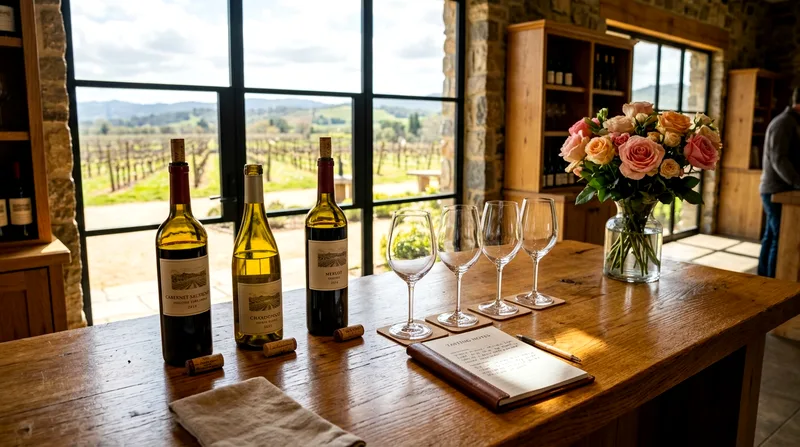
Standard Napa tasting fees run roughly $40 to $75 per person at mid-range wineries, and $100+ at reserve-level or appointment-only estates. Sonoma, by comparison, averages noticeably lower — often $20 to $45 — which is one reason budget-minded travelers split their trip between the two valleys instead of staying in Napa exclusively. Many tasting rooms waive the fee entirely if you buy two or more bottles, so a $45 fee for two people often disappears with a single bottle purchase you'd probably make anyway. Always ask before you sit down, not after you've tasted five pours.
Transportation and tour operator costs
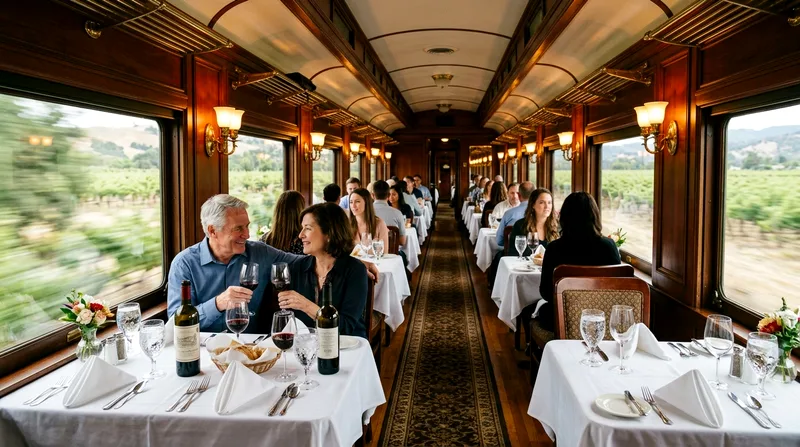
A seated group tour (the kind with 10-14 people on a bus, stopping at three or four wineries) typically runs $150 to $250 per person including some tastings. A private car or small-van tour for your own group can cost more upfront — often $600 to $1,200 for a full day — but splits cheaply across four to six people and lets you skip wineries you don't care about. The Napa Valley Wine Trolley is a lower-cost alternative in the town of Napa itself, useful if you're staying put rather than estate-hopping across the valley floor. Compare that to Sonoma, where distances between wineries are often shorter, meaning a self-driven designated-driver day is more realistic than it is in Napa's spread-out AVAs.
Legitimate Ways to Save on Tastings
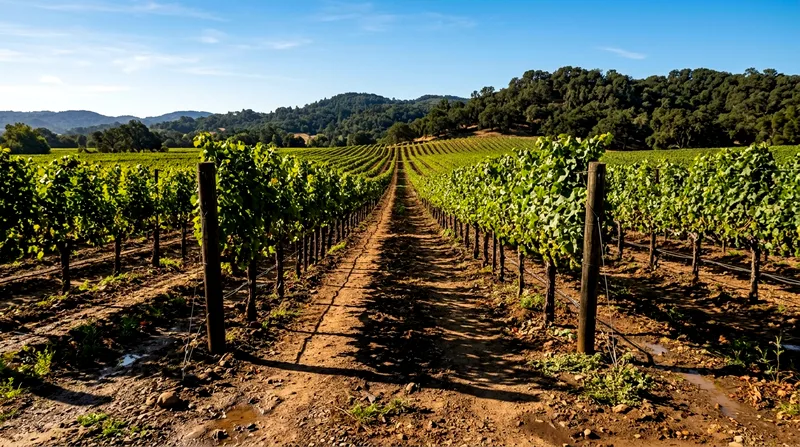
Free tastings in Napa Valley are rarer than they used to be, but they still exist, and finding them is the single most effective budget wine tour strategy available. The trick is that "free" wineries tend to be smaller, family-run operations without tasting-room staff to pay, often in quieter corners of the valley like Pope Valley or parts of Calistoga rather than the Highway 29 corridor through Oakville and Rutherford.
Don't assume cheap means lesser quality — some of the most interesting Zinfandel and Petite Sirah producers in Napa are the ones that never built a $2 million visitor center. You're trading polish for value, and for a lot of wine lovers that's a fair trade.
Free and waived tasting wineries
Call ahead rather than relying on outdated lists — tasting policies change yearly and a winery that was free in 2022 may charge $35 now. That said, several reliable patterns hold: wineries without reservation systems are more likely to waive fees for walk-ins on slow weekday afternoons, especially in January and February. Wine clubs often get free tastings for life, so if you're a regular Napa visitor, joining one club at a winery you already love can pay for itself within two or three return visits. Trinchero Napa Valley, for example, has historically structured tiered tasting experiences where a basic flight costs less than reserve pours — ask for the entry-level option by name rather than letting staff upsell you into the $95 experience by default.
Direct winery negotiation for groups
Groups of eight or more have real use that solo travelers and couples don't. Call the winery directly — not through a booking platform — and ask about group rates, a private room fee waiver, or a reduced per-person tasting cost. Many smaller estates will knock $10 to $15 off per person for a confirmed group of 10+ on a weekday, because it guarantees revenue they'd otherwise be chasing one visitor at a time. This works far better in Napa's family-owned tier than at corporate-owned, high-traffic names where pricing is fixed corporately and staff have no authority to adjust it.
Best Times and Passes for Discounts
Timing is the most underused lever in Napa wine tour discounts, and it costs you nothing to apply. If your schedule allows any flexibility at all, use it here before you use it anywhere else in trip planning.
Shifting your visit to a weekday in the off-season saves more than any pass or discount code.
Napa wine tour costs compared: season, pass type, and typical savings
| Strategy | Typical Tasting Fee Impact | Best Season | Best For |
|---|---|---|---|
| Off-season weekday visit | Fees often waived or reduced; shorter waits | November-March | Flexible schedules, retirees, couples |
| Priority Wine Pass | Fee waived or 2-for-1 at partner wineries | Year-round | Frequent Napa/Sonoma visitors |
| AAA Membership | Occasional discount; inconsistent coverage | Year-round | Members already booking AAA lodging |
| Free/small winery selection | $0-$20 fee, often waived with purchase | Year-round | Budget travelers, wine club joiners |
| Group negotiation (8+) | $10-$15 per person reduction | Weekdays preferred | Families, groups, reunions |
| Peak summer/harvest Saturday | Full fees, longest waits | June-October weekends | Those prioritizing crush-season activity |
Figures reflect general Napa/Sonoma industry patterns as of 2025; confirm current fees and pass terms directly with wineries before booking.
Off-season booking advantages
November through March is Napa's slow season, and the difference shows up in three places: tasting room crowds, tour pricing, and lodging rates. Weekday visits in January or February routinely see wait times evaporate and staff with time to actually talk with you — a different experience than a August Saturday where you're one of 40 people cycling through a tasting room in 20-minute blocks. Hotel rates in the valley can drop 30% to 40% compared to peak summer and harvest-season (September-October) pricing, and some tour operators quietly offer better per-person rates on weekday off-season bookings because they're filling otherwise-empty vans. The trade-off: harvest season (crush) is a genuinely different sensory experience, with active picking and sometimes crush-pad activities open to visitors. If that matters to you, skipping it to save money is a real sacrifice, not a minor one.
Membership passes and combo deals
The Priority Wine Pass is built specifically around tasting-fee waivers and two-for-one offers at a rotating list of Napa and Sonoma wineries — it's typically sold as an annual pass for a flat fee, and it pays for itself after two or three winery stops for most travelers. AAA membership is worth checking too; some Napa wineries and nearby hotels offer AAA-member discounts on tastings or lodging, though coverage is inconsistent and you should confirm with each specific property rather than assume blanket coverage. Giftory and similar gifting/experience platforms occasionally bundle Napa tastings with other regional experiences at a combined rate lower than booking each separately — useful for honeymooners or couples building a broader wine-country itinerary that might also include Sonoma or even a Monterey coastal add-on. None of these passes beat simply going in the off-season for free, but stacked together — AAA rate plus off-season plus a pass waiver — the savings compound.
What's Not Worth Skimping On
Saving money in Napa has limits, and pretending otherwise is how budget trips turn into expensive mistakes. There are exactly two places I'd tell you not to cut corners, regardless of how tight your budget is.
Quality transportation and safety
Don't gamble on a designated driver who's "probably fine" after four tastings, and don't assume rideshare availability in rural Napa matches what you're used to in San Francisco or Los Angeles. Outside the town centers of Napa, Yountville, and St. Helena, Uber and Lyft wait times can stretch 30-45 minutes, longer on weekends. A licensed tour van or car service costs more than DIY driving, but it's the one expense in this whole trip where "cheaper" can mean genuinely dangerous. If budget is the real constraint, choose a lower-cost tour operator with fewer stops rather than skipping professional transportation altogether.
Expert guidance and experience
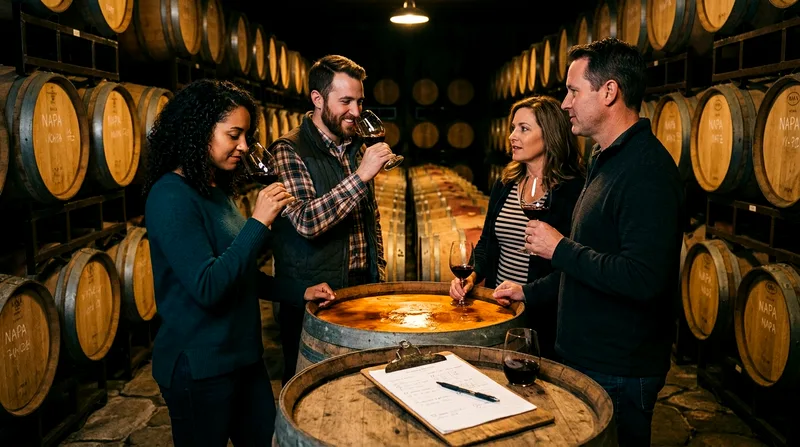
A good guide or knowledgeable tasting room host adds value you can't get from a self-guided flight sheet — context on soil, vintage variation, winemaking choices that actually explain why the Cabernet from Rutherford tastes different from one grown in Coombsville. Choosing the absolute cheapest tour often means a driver who just drives, with no wine background at all. If you're a serious wine lover rather than someone who wants a scenic day out, that knowledge gap is worth paying for, even on an otherwise tight budget.
Your Wine Tour Booking Checklist
Here's the sequence I'd actually follow if I were planning a budget-conscious Napa trip from scratch. Pick your month first: aim for a Tuesday through Thursday in January, February, or early March if cost matters more than crush-season atmosphere. Next, decide between Napa and Sonoma, or split your days — Sonoma's lower average tasting fees and shorter driving distances make it a reasonable half-trip even if Napa is your main draw. Then build your winery list around two or three free or low-fee stops and one splurge, rather than four premium reserve tastings back to back, which gets expensive and frankly exhausting on the palate. Call ahead to ask about group rates if you've got six or more people, check whether a Priority Wine Pass or your AAA membership applies to anywhere on your list, and book transportation — a licensed van, car service, or the Napa Valley Wine Trolley if you're staying within town — before you finalize winery reservations, since some wineries require proof of transportation plans for larger groups. Compare current wine tour prices and seasonal packages before you book, since rates shift month to month and the best off-season availability often gets booked by locals first.
Frequently asked questions
Which Napa wineries offer free tastings?
Free tastings are concentrated among smaller, family-owned wineries without formal visitor centers, often in less-trafficked areas like Pope Valley or parts of Calistoga rather than along Highway 29. Policies change often, so call the winery directly before visiting rather than trusting an old list. Many wineries also waive fees automatically with a two-bottle purchase, which functions as a free tasting in practice.
How much can you save booking off-season?
Hotel rates in Napa typically drop 30-40% between November and March compared to summer or harvest-season pricing. Tasting rooms are less likely to enforce strict reservation windows, waits shrink dramatically, and some tour operators offer better per-person group rates to fill weekday vans. You lose the harvest/crush atmosphere, which is a real trade-off for some visitors.
Do membership passes like AAA work at Napa wineries?
Sometimes, but coverage is inconsistent — some Napa wineries and hotels offer AAA-member discounts, others don't participate at all. Confirm directly with each winery or property before counting on it. The Priority Wine Pass is more reliably structured around winery tasting-fee waivers specifically, so it's a safer bet if tasting discounts are your main goal.
What's the cheapest way to tour Napa Valley?
Visit midweek in the off-season, pick two or three free or low-fee wineries plus one splurge estate, and use a shared private car split across four to six people rather than a solo rideshare. Skipping professional transportation to save money is the one shortcut not worth taking in Napa's spread-out, poorly-covered rideshare zones.
Can groups negotiate lower tasting fees?
Yes, particularly at smaller family-owned wineries where staff have pricing flexibility. Call directly — not through a third-party booking site — and ask about group rates for 8-10+ people on a weekday. Corporately-owned, high-traffic wineries are far less likely to budge since pricing is usually fixed at a company level.