Compare Napa Valley Wine Train ticket classes, meal packages & pricing. Find the best experience for your budget & travel style. Book with confidence.
What Is the Napa Valley Wine Train?
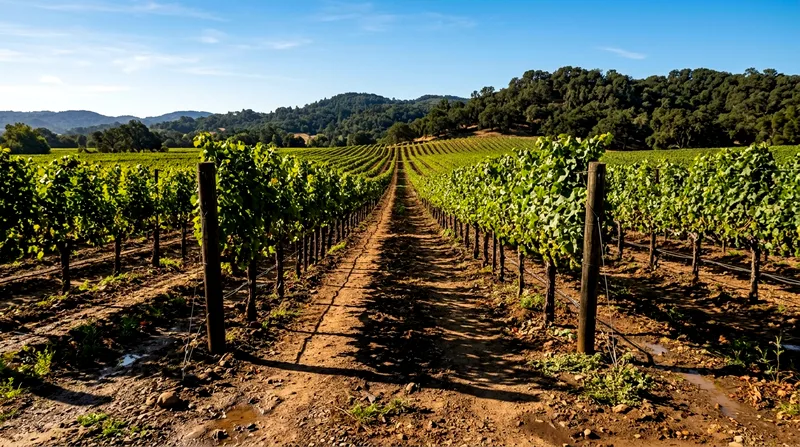
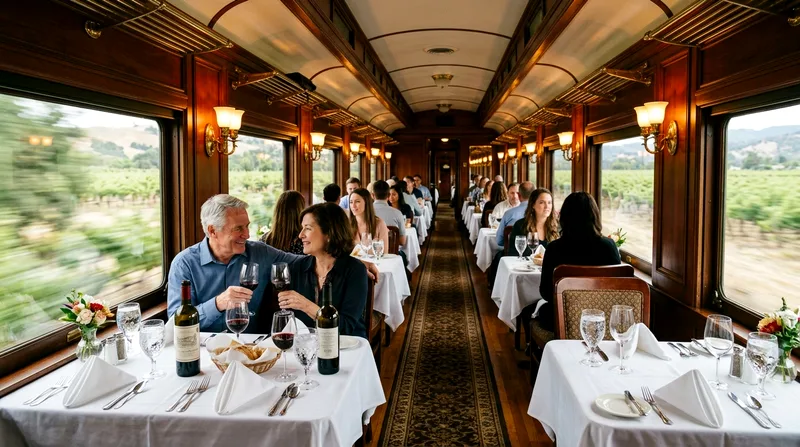
The Napa Valley Wine Train is a vintage rail excursion running roughly 36 miles round-trip between downtown Napa and St. Helena, through the heart of the valley's vineyard country. The train uses restored Pullman rail cars from the early-to-mid 20th century — polished wood paneling, swivel chairs, and large windows built for looking out, not for speed. A full round trip takes about three hours, though some packages add stops for tastings at partner wineries along the route, which stretches the day closer to five or six hours.
This isn't a hop-on-hop-off sightseeing service. You buy a seat for a specific departure, you stay on board (or disembark only at a scheduled winery stop if your package includes one), and the meal service is built around the ride itself. Think of it as a moving restaurant with a vineyard backdrop, not a wine-tasting shuttle.
If your goal is maximum wine education — swirling, spitting, talking to a winemaker about soil composition — you'll do better dedicating a day to Napa Valley proper with a car service or a small-group tasting tour, or heading north to somewhere like Calistoga for appointment-only cellar visits. The Wine Train's wine pours are enjoyable but secondary to the dining and scenery. People who book it expecting a deep tasting itinerary are usually the ones who come away disappointed. People who book it for a relaxed, photogenic afternoon with good food generally rate it highly on TripAdvisor and similar review sites.
Worth noting for planning purposes: departures and seasonal schedules vary throughout the year, and the valley gets noticeably busier — and pricier — during harvest season in September and October. Confirm current departure times directly on the operator's official site before you build your day around it.
Ticket Types & Carriage Classes Explained
This is where most of the decision-making actually happens. The Wine Train sells tickets by carriage class rather than a single flat fare, and the class you pick determines your seating, your view, and in some cases your menu.
Carriage class mainly changes your privacy and course count, not the route or the scenery.
Napa Valley Wine Train ticket classes compared by seating, meal style, and best use
| Carriage Class | Seating Style | Meal Style | Typical Duration | Best For |
|---|---|---|---|---|
| Standard Carriage | Shared 4-top tables | Multi-course lunch or dinner | Approx. 3 hours | Groups, budget-conscious travelers |
| Gourmet Express | Shared or reserved tables | Expanded multi-course menu | Approx. 3 hours | Food-focused travelers |
| Legacy Experience | Private or semi-private tables | Premium multi-course menu | Approx. 3 hours | Couples, honeymooners |
| Dome/Glass-Roof Car | Reserved tables, overhead views | Varies by package | Approx. 3 hours | Photographers |
| Winery-Stop Package | Varies | Meal plus tasting stop | Approx. 5-6 hours | Travelers wanting a tasting add-on |
Figures approximate as of 2024; exact class names, durations, and inclusions vary by season — confirm on the official site before booking.
Standard vs Premium Carriage Amenities
Entry-level carriages get you a table seat, window views, and standard multi-course service — perfectly comfortable, fine for most travelers who just want the scenery and a nice lunch. The step-up tiers, often marketed under names like the Legacy Experience or Gourmet Express, add things like a dedicated dome car with glass ceilings for better light (a real plus if you're traveling with a photographer in the group), more courses, and sometimes a reserved rear-car position with less foot traffic from staff moving between carriages. The gap in comfort between tiers is real but not dramatic — you're not getting a different train, just a quieter, slightly more private version of the same ride.
Seating and View Differences by Class
Seating in the standard cars is arranged at four-person tables facing each other, which is great for groups but means couples often end up sharing a table with strangers unless they book the whole table. Premium cars tend to offer either private tables for two or smaller shared configurations. Window side matters more than most people expect — the vineyard views run along one side of the track for a good stretch, so ask at booking (or check seat-selection options in the confirmation process) whether you can request a particular side. If a view matters to you more than the meal, prioritize this over carriage class entirely.
Meal Packages & Wine Inclusions
Meal package choice matters as much as carriage class, and the two are often bundled together in ticket listings, which can make comparison shopping confusing. Read the inclusions line by line rather than trusting the package name alone.
Lunch vs Dinner Experience Options
Lunch departures are generally shorter, lighter, and cheaper, running through midday with full daylight for the vineyard views — the better choice for families with kids or anyone prioritizing photos. Dinner departures run later, lean more formal, and typically include more courses; they're the pick for couples and honeymooners wanting a quieter, candlelit version of the same route, though you'll lose some of the daylight scenery depending on the season and departure time. Winter dinner trips can mean a mostly dark ride outside St. Helena — fine for the meal, less so if scenery was your main reason to book.
Wine Tasting and Menu Highlights
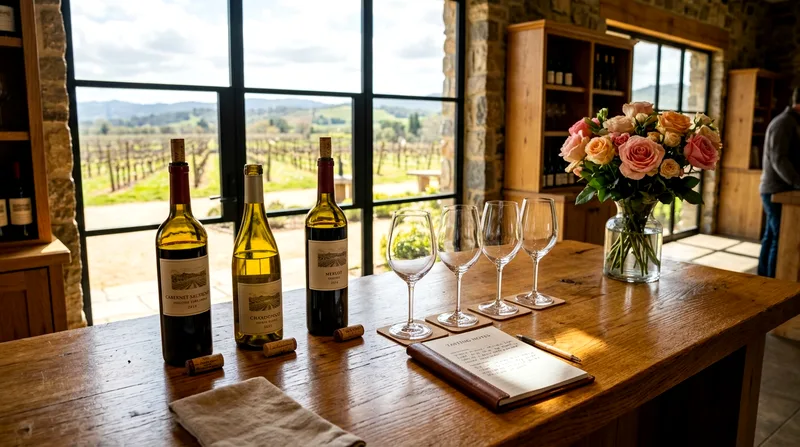
Most packages include a set number of wine pours matched to each course, drawn from Napa producers, plus an option to add a Priority Wine Pass or similar upgrade for additional tastings or winery-stop access. Menus change seasonally and typically lean toward California cuisine — think seared fish, braised short rib, seasonal vegetable courses — with a vegetarian option generally available if you request it when booking, not day-of. If you or someone in your group has dietary restrictions, email ahead; last-minute swaps on a moving train with a fixed kitchen are limited.
Where & How to Book Tickets
Buying Napa Valley Wine Train tickets is straightforward, but where you buy them affects price transparency and flexibility more than people expect.
Official Channels and Third-Party Platforms
The official Napa Valley Wine Train website is the most reliable source for accurate departure times, current seasonal menus, and cancellation policies — book here if you want the clearest picture of what you're getting and direct customer support if plans change. Third-party platforms like Expedia, Travelocity, and Rail Bookers also list Wine Train experiences, sometimes bundled with hotel packages, which can be convenient if you're already booking a broader Napa Valley trip through one of those sites. Gift-focused platforms such as Giftory are worth checking if you're buying this as a present rather than for your own trip. Whichever channel you use, compare the exact inclusions line by line — a "premium" listing on one site isn't always the same carriage or meal package as another site's "premium" tier.
Discount Strategies and Best Booking Times
Weekday lunch departures are consistently the cheaper entry point compared to weekend dinners, which carry a premium for obvious demand reasons. Booking a few weeks ahead rather than last-minute tends to open up more seating and carriage options, especially for weekend dates in peak season (May through October). Watch for seasonal promotions around slower months — January and February in particular — when the valley is quieter and operators are more likely to offer package incentives. Always confirm current prices and promotions directly on the official site before paying through a third party, since listed rates and inclusions can shift without much notice.
Is It Worth the Cost?
Pricing on the Wine Train has consistently sat in a premium tier compared to a basic winery tasting fee — you're paying for the train, the staff, the multi-course meal, and the novelty of a moving dining room, not just the wine in your glass. Treat it as a special-occasion meal with transportation and scenery built in, and the value math gets a lot easier to accept.
Value for Different Traveler Types
Couples and honeymooners tend to rate it highest — it's romantic, photogenic, and requires zero driving after a glass of wine, which matters in a region where DUI checkpoints near tasting rooms are a real thing. Families with older children can enjoy it too, though very young kids may find a three-hour seated meal restrictive. Senior travelers who don't want to deal with Napa's narrow, winding roads between wineries often find this one of the more comfortable ways to see the valley. Solo travelers and serious wine enthusiasts tend to get the least out of it — the format favors couples and groups, and the tasting pours are modest compared to a dedicated tasting-room flight.
Alternatives and Comparison Considerations
If scenery and food matter more than wine depth, compare this against a self-driven day trip through Napa Valley with two or three tasting-room stops — cheaper, more flexible, but requires a designated driver or car service. If you want a coastal alternative with a similar romantic-scenery appeal, Monterey's coastline or a Lake Tahoe weekend offer a different kind of scenery-driven outing without the wine focus. Travelers debating a full West Coast itinerary sometimes stack this against a Seattle or Portland city break, or a Los Angeles and San Diego loop — in which case, treat the Wine Train as a half-day add-on to a San Francisco base rather than a trip anchor on its own, since Napa sits about an hour and fifteen minutes north of the city by car.
Frequently asked questions
How much does a Napa Wine Train ticket cost?
Prices vary by carriage class, meal package, and day of week, with weekday lunch tickets sitting at the lower end and weekend dinner or premium carriage tickets at the higher end. Rather than quote a fixed figure that will likely be outdated, check the official Napa Valley Wine Train site or a platform like Expedia for the current published rate on your travel dates.
What is included in the ticket price?
Every ticket includes your seat on the train and a multi-course meal matched to your chosen package, plus a set number of wine pours during the ride. Premium packages add extra courses, upgraded seating or private tables, and sometimes additional tastings. Transportation to and from the Napa station isn't included — you'll need your own car, rideshare, or a tour pickup.
Which carriage class should I choose?
Choose standard if you're traveling in a group and mainly want the scenery and a solid meal without paying extra for privacy. Choose Legacy Experience or a similar premium tier if you want a quieter, more intimate table — this matters most for couples and honeymooners. Choose a dome or glass-roof car if photography is a priority, since the overhead light makes a real difference for vineyard shots.
Is the Napa Valley Wine Train worth it?
It's worth it if you want a relaxed, scenic meal experience without driving between wineries, and you're not expecting a deep wine-education tasting tour. It's less worth it for solo travelers, serious wine collectors, or anyone on a tight budget, since a self-driven tasting day in Napa or Sonoma generally costs less and offers more direct winery access.
What are the best ways to book and save?
Book directly on the official Napa Valley Wine Train site for the clearest inclusions and cancellation terms, and compare that listing against Expedia or Travelocity if you're bundling with hotels. Weekday lunch departures cost less than weekend dinners, and booking a few weeks ahead — especially outside the May-to-October peak season — generally opens up better seating and occasional promotional pricing.