Compare guided Napa Valley bike wine tour options by fitness level, e-bike availability, and tastings included. Pick the right cycling wine tour before you book.
Napa Valley Bike Wine Tour: Pedal Between Vineyards
A Napa Valley bike wine tour solves a problem that trips up a lot of first-time visitors: how do you taste wine at three or four wineries without someone driving, without a bus schedule dictating your day, and without feeling like you're on a conveyor belt through tasting rooms? Pedaling the flat valley floor between vineyards, stopping for pours along the way, works — if you pick the right format for your fitness level and tolerance for sun.
Options range from easy e-bike loops out of Yountville that cover 8 to 12 miles with two winery stops, to full-day rides pushing 25 to 30 miles with a picnic lunch and four tastings. The terrain itself is mostly gentle; Napa isn't Sonoma's hill country. The real variable is heat — summer afternoons regularly hit the high 80s and 90s Fahrenheit — and how many glasses of wine you want in your system while still steering a bike. Below is how the categories break down, who each one suits, and what actually matters when you compare listings on TripAdvisor or a booking site before paying.
Who Each Tour Type Suits Best
The single biggest fork in the road isn't guided-versus-private or half-day-versus-full-day — it's whether you're on an e-bike or a traditional road/hybrid bike. That decision shapes everything else about your day, including how much wine you can reasonably drink and still ride safely.
Beginner Cyclists and E-Bike Riders
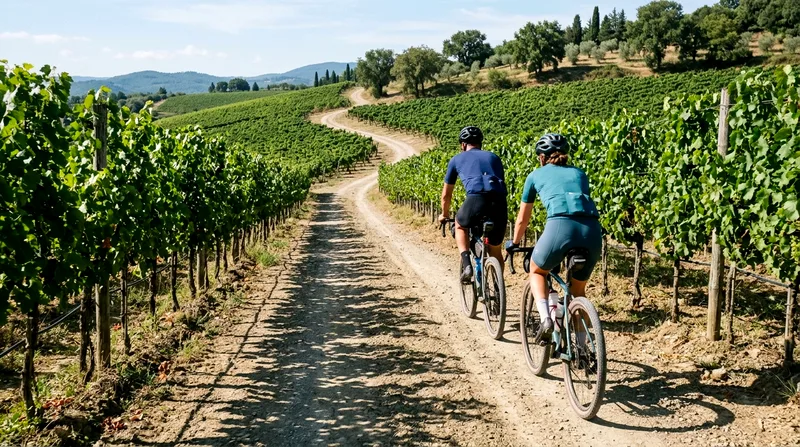
If you haven't ridden a bike regularly since college, or you're traveling with a partner whose fitness level doesn't match yours, book an e-bike tour. Pedal-assist bikes flatten out any incline, which matters more than you'd think once you've had two tastings and your balance isn't what it was at 10 a.m. Most e-bike itineraries run half-day format, 8 to 15 miles, with stops limited to two or three wineries — often including a stretch of the Napa Valley Vine Trail near Yountville or through the Oak Knoll District. This is also the better choice for senior travelers and anyone nervous about sharing roads with cars, since guides on e-bike tours tend to route more of the ride onto the dedicated, car-free Vine Trail rather than Silverado Trail's bike lane. Don't assume e-bike means no effort at all, though — you're still outside for four to five hours, often in heat, and you'll dismount and walk at some winery driveways.
Intermediate to Advanced Cyclists
If you ride regularly and want the wine tasting to be the reward rather than the point, a traditional bike tour covering 20-plus miles gives you more of the valley — vineyard back roads past Trefethen Winery, climbs toward the Mayacamas foothills, maybe a loop that touches both the Silverado Trail and Highway 29 corridor. These tours suit sportsmen and fitness-minded travelers who'd rather burn off the calories from a four-course lunch than sit in a van. Full-day versions typically include a picnic lunch, sometimes catered with items resembling what you'd grab at Bouchon Bakery in Yountville, and three to four tasting stops spread across six to seven hours. The trade-off: by stop three, after 15 miles of riding, your group's pace and patience vary a lot, and guides have to manage that.
Bike & Wine Tour Categories Compared
Once you know your fitness lane, the remaining choices are group size, duration, and bike type. Each trades something for something else — there's no version that maximizes tastings, minimizes effort, and keeps the price low simultaneously.
Half-day e-bike tours offer the easiest combination of distance, group pace, and tasting count for most visitors.
Napa Valley bike wine tour categories compared by duration, distance, and tastings
| Tour Category | Duration | Distance | Tastings Included | Group Size | Best For |
|---|---|---|---|---|---|
| Half-day e-bike group tour | 3-4 hours | 8-12 miles | 2-3 wineries | 6-12 riders | Beginners, seniors, couples |
| Half-day traditional bike group tour | 3-4 hours | 10-15 miles | 2-3 wineries | 6-12 riders | Fit casual cyclists |
| Full-day traditional bike tour | 6-7 hours | 20-30 miles | 3-4 wineries + lunch | 6-12 riders | Intermediate/advanced riders |
| Full-day e-bike tour | 6-7 hours | 15-25 miles | 3-4 wineries + lunch | 6-12 riders | Mixed-ability groups wanting distance without strain |
| Private half-day tour (e-bike or standard) | 3-4 hours | Flexible, 8-15 miles | 2-3 wineries, customizable | 1-6 riders | Honeymooners, small families |
| Private full-day tour | 6-7 hours | Flexible, up to 25+ miles | 3-4 wineries + picnic | 1-6 riders | Groups wanting full control of pace |
Figures as of 2025; exact routes, winery access, and inclusions vary by operator — check current itineraries and prices before booking.
Guided Group Tours vs. Private Tours
Group tours, typically 6 to 12 riders with one or two guides, cost less per person and are the default option you'll find listed with set departure times. They're social — good for solo travelers and couples who like meeting other people — but you move at the group's pace, which means waiting for the slowest rider on hills and sticking to a fixed tasting schedule. Private tours, booked for just your party, cost noticeably more per head but let you set the route, skip a winery you're not interested in, or add an extra stop at Trefethen or elsewhere in the Oak Knoll District. For honeymooners or small families with older teens, private tours are usually worth the premium just for the flexibility and the photos without strangers in the frame.
Half-Day vs. Full-Day Experiences
Half-day tours — generally 3 to 4 hours, 8 to 15 miles, two to three winery stops — are the better bet for most travelers, including anyone pairing the ride with another Napa activity that day, like a sunset dinner or a visit timed around the Napa Valley Wine Train. Full-day tours stretch 6 to 7 hours, cover 20-plus miles, include lunch, and hit three to four wineries, but they ask a lot of your body combined with alcohol and sun. I'd steer most couples toward the half-day format and recommend spending the saved afternoon at a spa or simply napping — a full day of cycling and tasting sounds romantic until hour five.
E-Bike vs. Traditional Bike Options
E-bikes add a modest cost to most tour packages but are worth it for anyone over 50, anyone out of cycling shape, or families where fitness levels vary widely. Traditional bikes suit confident riders who want a workout and don't mind arriving at a tasting room a little sweaty. A company like Backroads, known more broadly for multi-day active trips across wine regions including Napa and Sonoma, generally builds e-bike options into its itineraries precisely because mixed-ability groups are the norm, not the exception — a useful signal for how most tour operators now plan their fleets.
What to Look for When Booking
Listings on booking platforms and TripAdvisor vary more than they appear to at first glance. Three things separate a good day from a wasted one: what's actually included at each stop, how the group is sized and screened for fitness, and what happens if weather or a flat tire ruins your morning.
Tasting Inclusions and Winery Stops
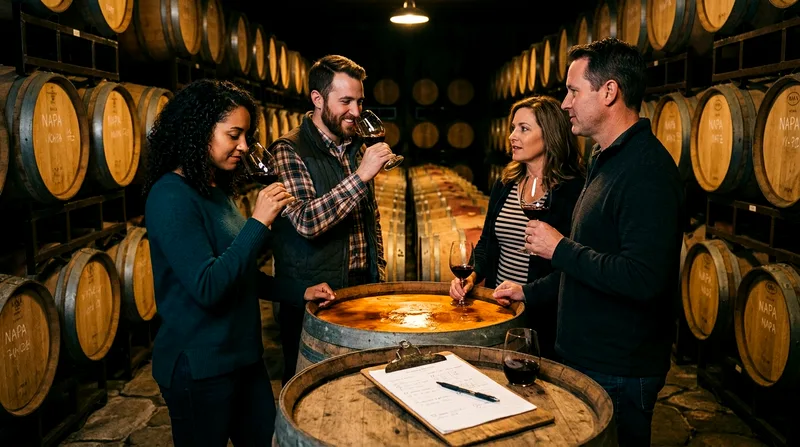
Check whether the listed price includes tasting fees or just transportation and the bike rental — some tours quote a low headline price, then charge $25 to $45 per tasting on top, per winery, once you arrive. Also confirm whether stops are at small producers you can't easily visit on your own versus well-known names you could drive to yourself; a tour that routes you past Trefethen Winery or a similarly established Oak Knoll District producer is worth more than one stopping at a generic tasting room near a parking lot. Ask if lunch is a sit-down affair or a packed picnic — full-day tours should specify this clearly, and vague wording ("light refreshments") is a red flag.
Group Size and Fitness Requirements
Good operators state a minimum fitness level and maximum group size upfront — look for language specifying "comfortable riding 10+ miles" or similar. If a listing doesn't mention group size at all, assume it could be large, and large groups mean long waits at each winery for everyone to get a pour. Families with kids under 12 generally aren't well served by any of these tours; most set a minimum age of 12 to 16 for liability and bike-handling reasons, so check that detail specifically if traveling with children.
Cancellation Policies and Logistics
Weather and wildfire smoke have disrupted Napa tourism in recent years, so a flexible cancellation window — ideally 24 to 48 hours — matters more here than for a museum ticket. Confirm whether the tour includes bike transport back to the starting point if you're too tired or sore to ride the full loop back; some don't, and you'll be stuck finding a rideshare in an area with limited coverage.
When to Book Your Napa Bike Tour
Timing affects both comfort and availability more than most people expect walking into this planning process.
Seasonal Availability and Weather
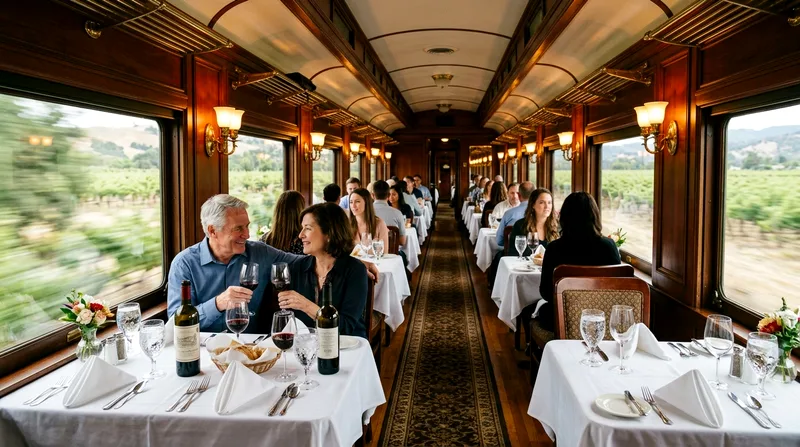
Spring (March to May) and fall (September to November) are the best windows — mild temperatures, green or harvest-colored vineyards, and fewer 95-degree afternoons. Summer tours still run but start earlier, often 8 or 9 a.m., to beat the heat; if you're booking a July or August ride, choose a morning departure and the e-bike option without hesitation. Winter tours exist but are weather-dependent, and rain cancels rides outright, unlike a wine train tour or a tasting-room visit that continues regardless of drizzle.
Advance Booking Windows
Book two to four weeks ahead for weekday tours in shoulder season; weekend dates in September and October (harvest season) sell out four to six weeks out, especially for smaller private tours with limited bike fleets. If you're building a longer Napa or wine-country trip that also includes Sonoma, Lake Tahoe, or a coastal detour to Monterey, lock the bike tour date first — it's the most weather- and capacity-sensitive piece of the itinerary.
Vine Trail Routes and Difficulty Levels
The Napa Valley Vine Trail is the backbone a lot of these tours use, at least partially. It's a paved, car-free multi-use path intended to eventually run roughly 47 miles from Calistoga to Vallejo; as of recent years, a substantial completed segment connects areas like American Canyon up through Yountville and into the Oak Knoll District, with gaps still filled by on-road riding along Highway 29 or the Silverado Trail. Riding the Vine Trail itself costs nothing — you can rent a bike independently in Yountville or Napa and do a self-guided version for less than any organized tour, if you're comfortable navigating and don't need winery introductions or tasting fee arrangements handled for you.
Difficulty-wise, the completed Vine Trail sections are flat and easy, suitable for beginners and families with older kids on a casual non-wine ride. Routes that detour off the trail onto rural roads near Oak Knoll or toward the hills get hillier and busier with car traffic, which is where guided tours earn their fee — a local guide knows which roads have decent shoulders and which don't. Compare this to Lake Tahoe's cycling trails, which involve real elevation and cooler mountain air, or Sonoma's wine country routes, which tend to have more hills than Napa's valley floor; Napa remains the easier, flatter choice for a wine-and-bike day, which is exactly why it's popular with mixed-fitness groups and first-timers.
Frequently asked questions
Can you do a Napa wine tour by bike?
Yes — guided bike-and-wine tours are a well-established option in Napa, running from half-day e-bike rides with two or three tasting stops to full-day traditional-bike routes covering 20-plus miles with lunch included. You can also rent a bike independently and ride sections of the Napa Valley Vine Trail on your own, stopping at wineries that welcome walk-ins, though you'll need to arrange tastings yourself.
Are e-bikes available for Napa wine tours?
Most tour operators now offer e-bikes as either the default or an upgrade option, since pedal assist makes the ride accessible to a much wider range of fitness levels and ages. If a tour listing doesn't mention e-bikes, assume it's traditional bikes only and confirm before booking if that matters to you.
What is included in a full-day bike wine tour?
Typical inclusions are bike and helmet rental, a guide, three to four winery stops with tastings (fees sometimes included, sometimes extra), and a lunch — often a picnic-style meal rather than a sit-down restaurant. Distances usually run 20 to 30 miles over six to seven hours, so confirm the route's terrain and rest-stop frequency before committing.
How long is the Napa Vine Trail?
The planned Vine Trail runs roughly 47 miles end to end, from Calistoga down to Vallejo, but only a portion is complete and connected as of recent years — mainly through the central valley around Yountville, Napa, and the Oak Knoll District. Gaps are filled by riding on roads like Highway 29 or the Silverado Trail, which is less comfortable for inexperienced cyclists.
What is the best time to book a Napa bike wine tour?
Book two to four weeks ahead for spring or fall weekday tours; harvest-season weekends (September and October) can sell out four to six weeks in advance, especially for private or small-group tours. Aim to ride in spring or fall for comfortable temperatures, and if you're set on a summer date, choose an early morning departure to avoid peak heat.