Discover the best things to do at Fisherman's Wharf in San Francisco. Free attractions, bookable tours, dining, and sea lions—plan your half-day visit.
What Is Fisherman's Wharf & Why Visit
Fisherman's Wharf occupies the northern edge of San Francisco, stretching roughly from Ghirardelli Square to Pier 39 along Jefferson Street. It's one of the oldest working waterfronts in the city, and depending on who you ask, it's either a must-do stop or a cautionary tale about what happens when a fishing district turns into a souvenir strip. Both views have merit.
Among the things to do at Fisherman's Wharf that still work: watching sea lions haul themselves onto docks, walking historic ships you can actually board, and catching the ferry to Alcatraz. Among the things that don't: the overpriced seafood cocktail stands hawking previously frozen shrimp at $12 a cup, and the chain restaurants with laminated menus photographed from across the street. Know the difference before you go.
Historic waterfront district overview
The Wharf takes its name from the Italian immigrant fishing fleet that worked these docks starting in the late 1800s — a handful of crab boats still operate out of the small harbor near Pier 45, which is more than most visitors realize. The district blends that working-harbor history with over a century of tourism infrastructure, from the 1960s-era Pier 39 development to the restored ships at Hyde Street Pier. Compare it to Monterey's Cannery Row, which has a similar fishing-industry-to-tourist-strip arc but feels smaller and less commercialized. Fisherman's Wharf is bigger, louder, and more crowded — for better or worse.
Why it's worth a half-day visit
Four to five hours is the right amount of time here. That covers Pier 39, the sea lions, a walk along Jefferson Street, and either the Maritime Museum or a ship tour at Hyde Street Pier, plus a meal. Spend a full day and you'll run out of genuine things to do and end up browsing shops selling the same magnets and sweatshirts. If Alcatraz is on your list, that tour alone eats up about 2.5 to 3 hours round trip including the ferry, so factor that into whatever else you plan for the day.
Free vs. Paid Attractions at the Wharf
This is the single most useful thing to understand before you go: a large share of what's worth seeing at Fisherman's Wharf costs nothing. Budget-conscious travelers and families with kids can build a full, satisfying visit entirely around free attractions, then add one paid ticket if time and interest allow.
The best Fisherman's Wharf itinerary mixes free sights like the sea lions with one or two paid attractions rather than paying for everything.
Fisherman's Wharf things to do compared: cost, time, and best for
| Attraction | Typical Cost | Time Needed | Best For |
|---|---|---|---|
| Pier 39 sea lions | Free | 30-45 min | Families, photographers |
| Jefferson Street walk | Free | 20-30 min | Everyone |
| Aquatic Park | Free | 20-30 min | Couples, photographers |
| Aquarium of the Bay | Approx. $30-35 | 45-60 min | Families with young kids |
| Hyde Street Pier ships | Approx. $15-20 | 45-60 min | History lovers, seniors |
| Alcatraz tour | Approx. $45-55 | 2.5-3 hrs round trip | World travelers, first-timers |
| USS Pampanito | Approx. $20 | 30-45 min | Sportsmen, history buffs |
Prices approximate as of 2024 and subject to change; always check current rates before booking.
Free experiences: sea lions, street performers, views
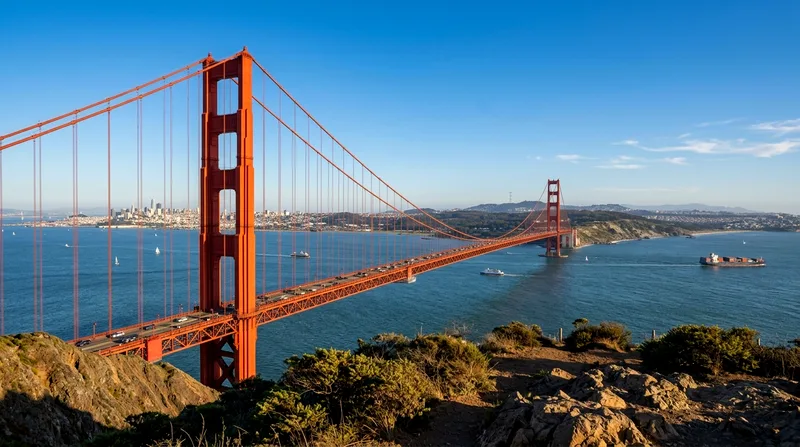
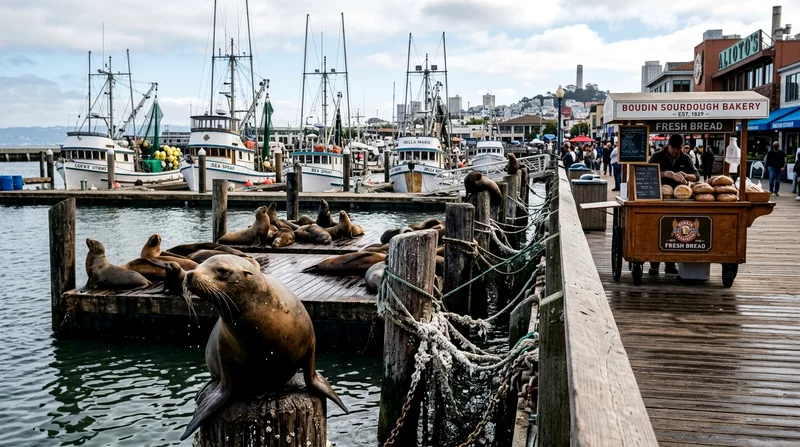
The sea lions at Pier 39's K-Dock are the headline free attraction, and they've been hauling out there since 1989 — nobody feeds them or trains them to stay, they just like the docks, and their numbers fluctuate from a few dozen to several hundred depending on the season. Street performers work the plaza near Pier 39 most days, ranging from magicians to living statues; tipping a few dollars is customary if you stop to watch. Aquatic Park, just west of the Wharf, offers free views of the bay, the Golden Gate Bridge in the distance, and swimmers in the cold water year-round (yes, year-round — the Dolphin Club and South End Rowing Club members swim without wetsuits). Walking Jefferson Street itself costs nothing and gives you the full flavor of the district, crab pots and all.
Paid attractions: museums, tours, aquariums
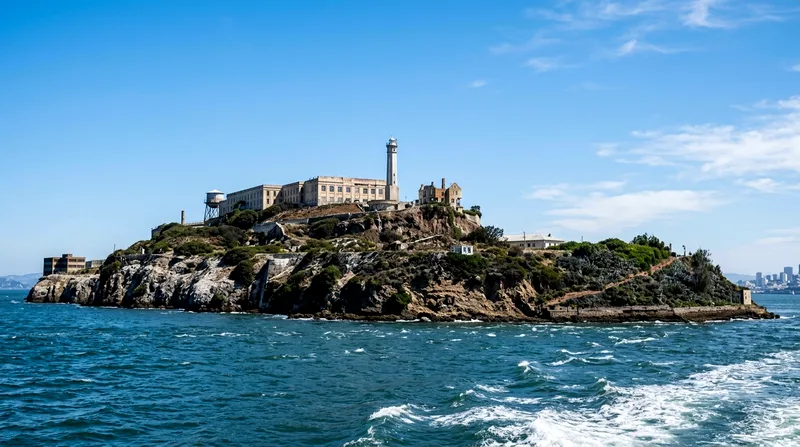
Paid options cluster around Pier 39 and the Hyde Street Pier area. The Aquarium of the Bay at Pier 39 runs roughly $30-35 for adults and is a reasonable choice for families with younger kids on a foggy day. The San Francisco Maritime Museum itself is free, but boarding the historic ships at adjacent Hyde Street Pier — including the 1886 square-rigger Balclutha — requires a National Park Service ticket, typically around $15-20 for adults with discounts for seniors and kids under 15 usually free. Alcatraz tours, which depart from Pier 33 just a short walk from the Wharf, run $45-55 depending on the tour type and sell out days to weeks ahead in peak season — this is the one ticket on this list I'd genuinely book before arriving in the city, not after.
How to Visit: Independent vs. Guided Tours
Most people visit Fisherman's Wharf independently, and for good reason — it's walkable, well-signed, and doesn't require specialized knowledge to enjoy. But there are a few scenarios where a guided tour earns its cost.
Self-guided walking route and timing
Start at Ghirardelli Square, walk east along Beach Street or Jefferson Street toward Pier 39 — about a 20-minute walk at a relaxed pace covering roughly three-quarters of a mile. Budget 45 minutes at Pier 39 for the sea lions, shops, and the view, then continue to Pier 45 for the USS Pampanito submarine (a paid add-on, around $20) if naval history interests you. Loop back via Hyde Street Pier for the ships, finishing near Aquatic Park. Total walking distance is under two miles, flat the entire way, which makes it manageable for seniors and families with strollers. This is also prime photography territory — early morning light on the ships at Hyde Street Pier beats the midday crowds.
Guided tour options and benefits
A guided walking tour makes the most sense if you want the Italian fishing-family history explained properly, or if you're combining the Wharf with a food-focused itinerary — sourdough bread sampling, crab shack recommendations, that sort of thing. Food tours through the Wharf typically run two to three hours and include four to six tasting stops. Bike tours are another common option, since the Wharf sits at the start of the ride toward the Golden Gate Bridge and Sausalito — a popular route for sportier travelers who want to pair sightseeing with exercise. If you're a first-time visitor who just wants orientation and photo stops, I'd skip a formal guided tour of the Wharf itself and save tour budget for Alcatraz or a bay cruise instead — the Wharf doesn't need much interpretation to enjoy.
Tickets, Entry & Booking Information
The Wharf itself has no entry fee or gate — it's an open public district, so you only pay for specific attractions, tours, or parking. That's different from places like Alcatraz, where entry is strictly ticketed and capacity-controlled.
Where and how to book attractions
Alcatraz tickets should be booked through the official NPS-authorized ferry operator well in advance — two to four weeks ahead in summer, a few days ahead in winter is often enough, but don't count on walk-up availability during peak months (June through August). Aquarium of the Bay and the Hyde Street Pier ships can usually be booked same-day or purchased at the entrance, though booking online ahead avoids the ticket line at Pier 39, which can run 15-20 minutes on busy afternoons. Compare current prices and availability before you book, since seasonal pricing and combo packages shift year to year.
Typical pricing tiers and packages
Think of Wharf spending in three tiers: free (sea lions, street performers, walking, Aquatic Park), mid-range ($15-35 per person for a single attraction like the Maritime ships or Aquarium of the Bay), and premium ($45+ for Alcatraz or a multi-stop guided tour). Families often find combo tickets bundling Aquarium of the Bay with a bay cruise worth the modest savings versus buying separately. Avoid any tour or attraction booth tout working the sidewalk directly in front of Pier 39 offering "discount" bundled tickets — stick to official NPS or established operator booking channels instead.
Best Time to Visit & Nearby Add-Ons
Timing changes this experience more than almost any other San Francisco attraction, mostly because of fog, cruise ship schedules, and weekend crowds.
Seasonal considerations and crowd patterns
Arrive before 10am on weekdays and you'll have Jefferson Street nearly to yourself; by noon on a Saturday in July, the sidewalks are shoulder to shoulder. September and October tend to bring the clearest skies and warmest afternoons in San Francisco — counterintuitive for first-time visitors expecting a classic summer, but June and July often bring the heaviest fog, locally called "Karl." Winter visits mean thinner crowds and occasional rain, but the sea lions are still there and indoor attractions like the Aquarium stay comfortable regardless of weather. If you're coming from somewhere like Los Angeles or San Diego, be ready for noticeably cooler, windier conditions here even in summer — pack a layer you wouldn't need in either of those cities.
Nearby attractions: Ghirardelli Square, cable cars
Ghirardelli Square sits a ten-minute walk west of Pier 39 and is worth the detour for the original chocolate factory shop and a sundae, even if the surrounding retail feels generic. The Powell-Hyde cable car line terminates right near Ghirardelli Square and Aquatic Park, making it an easy, scenic way to connect the Wharf to Union Square or Nob Hill — expect a line of 20-40 minutes at the turnaround during peak hours, or walk a few blocks up Hyde Street to board with less wait. For travelers extending their trip, the Wharf also works as a jumping-off point toward Napa Valley or Sausalito by ferry, both reasonable day-trip pairings if you have extra time in the city.
Frequently asked questions
What are the best free things to do at Fisherman's Wharf?
Watching the sea lions at Pier 39's K-Dock tops the list, followed by walking Jefferson Street, people-watching the street performers near the Pier 39 plaza, and taking in the bay views at Aquatic Park. None of these require tickets, and together they can fill two to three hours easily.
How long should you spend at Fisherman's Wharf?
Plan on four to five hours for a satisfying visit that includes the free sights plus one paid attraction, such as the Hyde Street Pier ships or Aquarium of the Bay. Add another 2.5-3 hours if you're including an Alcatraz tour, which departs from nearby Pier 33.
Where can you see sea lions at Fisherman's Wharf?
Head to K-Dock on the west marina of Pier 39, visible from the boardwalk just past the main shopping area. The sea lions have gathered there since 1989, though their numbers shift seasonally, sometimes dropping during breeding season when many head to the Channel Islands.
What is Fisherman's Wharf known for?
It's known for its sea lion colony, historic Italian fishing fleet heritage, fresh crab stands, and as the main departure point for Alcatraz tours. It's also one of San Francisco's most visited districts, anchoring the northern waterfront alongside Ghirardelli Square and Pier 39.
Is it better to visit Fisherman's Wharf independently or with a tour?
Independent visits work fine for most travelers since the area is flat, walkable, and well-signed. A guided tour adds value mainly for food-focused experiences or deeper historical context — for straightforward sightseeing, save your tour budget for Alcatraz instead.