Explore Golden Gate Bridge tours, walking options, best viewpoints & photo tips. Compare guided tours vs independent visits with timing advice.
What to Know Before You Visit
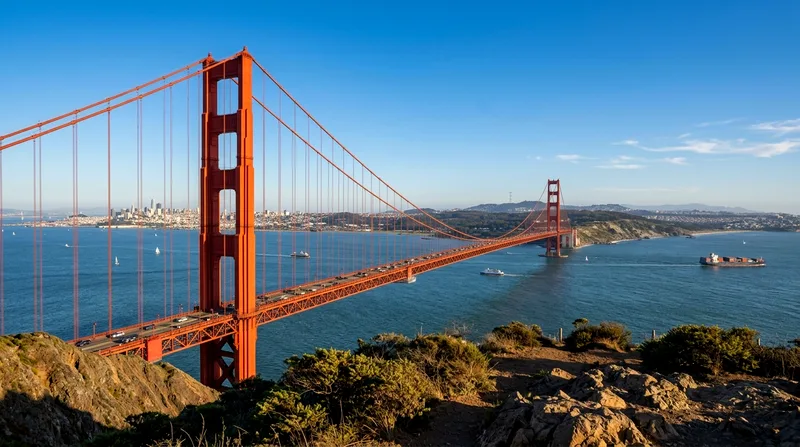
The Golden Gate Bridge connects San Francisco to Marin County across a 1.7-mile span, and walking or biking across it costs nothing. That surprises a lot of first-time visitors who assume they need to book something to "access" it. You don't. What you're really deciding is whether to go independently or pay for a guided experience that adds narration, equipment, or logistics support — bike rental, one-way transport back, a fixed schedule someone else manages.
Parking is the main friction point, not the bridge itself. The Welcome Center at the toll plaza has a pay lot that fills by mid-morning on weekends, especially April through October. If you're driving, arrive before 9am or plan to park at Crissy Field and walk in. There's no fee to walk the pedestrian path, but the bridge authority does ask pedestrians to stay on the east sidewalk (bay side) during daytime hours — the west side opens only on weekends and holidays for pedestrians, cyclists year-round need to check current side assignments posted at the entrance.
Bridge Facts and Pedestrian Access
The main span runs about 1.7 miles (2.7 km) from the toll plaza on the San Francisco side to the vista point in Marin. Pedestrian access is free and the sidewalk is open daily, though hours shift seasonally — generally 5am to 6pm in winter, extending to 9pm in summer months. Check the official Golden Gate Bridge website before you go, since hours do change. The path narrows in sections and gets windy; gusts over 30 mph aren't unusual, even on a sunny day, so this isn't a casual stroll in a sundress and flip-flops.
What to Bring and Safety Tips
Bring layers — the bridge sits in its own microclimate, often 10-15 degrees cooler and windier than downtown San Francisco just a few miles away. A windbreaker matters more than sunscreen most days. Wear real shoes; the sidewalk is concrete and uneven in spots near the towers. If you're cycling, know that the deck has expansion joints that can catch a thin tire, and e-bikes are common on rental fleets now, which means more speed variance on a shared path. Don't bring a tripod with extended legs onto the walkway during busy hours — it's a tripping hazard and some rangers will ask you to collapse it near the towers.
Tour Options: Guided vs Independent
This is the real decision, and it comes down to what you value: cost, time, or convenience. An independent walk costs nothing but your legs and a bit of planning. A guided tour costs anywhere from roughly $50 to $160 per person depending on format, but it removes decisions — where to park, which direction to bike, how to get back from Sausalito.
I'd skip a guided walking tour of just the bridge itself. There's not enough content to fill a paid tour when the structure is self-explanatory and informational plaques already line the walkway. Where guided tours earn their price is biking one-way to Sausalito or Tiburon, because the logistics of getting yourself and a rental bike back to the city add real friction that a tour operator handles for you — ferry tickets, bike drop-off points, timing.
A self-guided walk costs nothing and suits most visitors, while guided bike tours justify their price mainly through one-way logistics to Sausalint.
Golden Gate Bridge tours compared: cost, time and who they suit
| Option | Typical Cost | Duration | Best For |
|---|---|---|---|
| Self-guided walk | Free | 1.5-2 hours round trip | Solo travelers, couples, budget-focused visitors |
| Self-guided bike rental | $30-$45/day | 2-3 hours one way | Independent cyclists comfortable with logistics |
| Guided walking tour | $40-$60 | Approx. 2 hours | Families, first-timers wanting context |
| Guided bike tour to Sausalito | $60-$90 | 3-4 hours | Couples, photographers, active travelers |
| Guided bike tour with ferry return | $90-$160 | 4-5 hours | Visitors wanting logistics fully handled |
Prices approximate as of 2024-2025; always compare current tours and prices before booking, as operators and seasonal rates change.
Guided Bike and Walking Tours
Guided bike tours typically run 3 to 4 hours, starting near Fisherman's Wharf and riding along Crissy Field before crossing the bridge into Sausalito, where many groups end with a ferry back to San Francisco. Expect to pay $60-$90 for a basic guided ride including bike rental, more if it bundles the ferry ticket and lunch. Walking tours covering the bridge and Presidio area run shorter, around 2 hours, and cost less — often $40-$60 — but again, the value is mostly in the guide's commentary on bridge engineering and Presidio history rather than access you couldn't get yourself. Families with kids under 10 often prefer the walking version since a 4-hour bike ride with young children pushing pedals is a tough ask.
Self-Guided Walking and Viewpoints
If you're comfortable navigating on your own, self-guided is the better call for most travelers — especially solo travelers and couples who don't need a group pace. Start at the Welcome Center, walk the east sidewalk to the first tower (about 15-20 minutes each way, roughly a mile round trip if you don't cross fully), and decide from there whether to continue to the Marin side. A full round-trip walk is about 3.4 miles and takes most people 1.5 to 2 hours including photo stops. Rent a bike independently from shops near Fisherman's Wharf for $30-$45 a day if you want the ride without a group — just confirm the shop allows one-way drop-off in Sausalito if that's your plan, not all of them do.
Tickets, Pricing & Booking
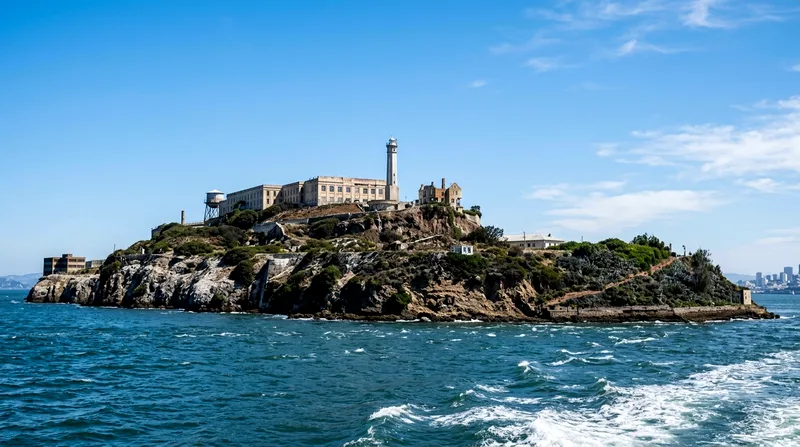
There's no entry ticket for the bridge itself — this trips up visitors comparing it mentally to Alcatraz or the Exploratorium, which do require timed tickets. What you're paying for with a "tour" is transportation, equipment, or a guide, never admission.
Free vs Paid Tour Options
Walking across independently is free, full stop. Paid options make sense in three cases: you want a bike without handling rental logistics yourself, you want historical and engineering context from a guide rather than reading plaques, or you're short on time and want someone else to plan the Crissy Field-to-bridge-to-Sausalito route efficiently. If none of those apply, save the money and walk it yourself — put the $60-$90 toward a nice dinner at Fisherman's Wharf instead.
Where to Book Tours
GetYourGuide, Klook, and Viator-style platforms list most of the bike and walking tour operators, and TripAdvisor is worth checking purely for recent traveler photos and reviews that reveal current conditions — construction, detours, seasonal path closures — before you commit. Prices and exact departure points change by season and operator, so compare current tours and prices before you book rather than relying on a figure you saw months ago. Cancellation policies vary too; look for free cancellation up to 24 hours out, since coastal weather can make a planned bike ride miserable with little warning.
Best Times to Visit & Photo Tips
Fog is the variable nobody controls, and it's common even in July — San Franciscans joke about it, Mark Twain supposedly complained about summer cold here, and the joke holds up every August. Mornings before 10am tend to have clearer towers but flatter light; late afternoon often burns off fog and delivers the warm light photographers want, but crowds peak then too.
Golden Hour and Seasonal Timing
September and October are the most reliable months for clear skies and warmer temperatures — better odds than June or July, when marine fog rolls in most afternoons. For golden hour shots, arrive 45 minutes before sunset; the bridge faces roughly east-west, so sunset light hits the span directly rather than side-lighting it, which makes for strong color but can wash out texture on the towers. Weekday mornings, especially Tuesday through Thursday, see noticeably fewer tour buses than weekends.
Top Photo Locations and Angles
Battery Spencer, on the Marin side just off Conzelman Road, gives the classic elevated shot with the full span and the city skyline behind it — it's a 5-minute walk from a small parking area, no fee, but spots fill fast at sunset and the road is narrow and one-way in sections. Crissy Field offers a low, flat angle with the bridge framed by the beach and is far easier for strollers and wheelchairs. For something different, walk partway across the pedestrian path itself and shoot straight up at the cables and tower — a vertical, almost architectural composition that most visitors skip because they're focused on the wide shot. Avoid shooting from the Welcome Center parking lot; it's crowded, the angle is awkward, and nearly every stock photo already looks the same from there.
Nearby Attractions & Add-ons
Pair the bridge with something nearby rather than treating it as an isolated stop — most of San Francisco's best free viewpoints sit within a 20-minute walk or short bus ride of the toll plaza.
Crissy Field and Presidio Trails
Crissy Field is a flat, 1.5-mile stretch of reclaimed shoreline running from the Marina district toward the bridge, popular with joggers, kite flyers, and families with strollers. The Presidio, a former military post turned national park land, has over 24 miles of trails and several overlooks — Inspiration Point and the Batteries to Bluffs Trail both offer bridge views without the crowds at the main vista points. Budget an extra hour if you want to combine Crissy Field with a Presidio trail segment before or after the bridge walk.
Fisherman's Wharf and Aquatic Park
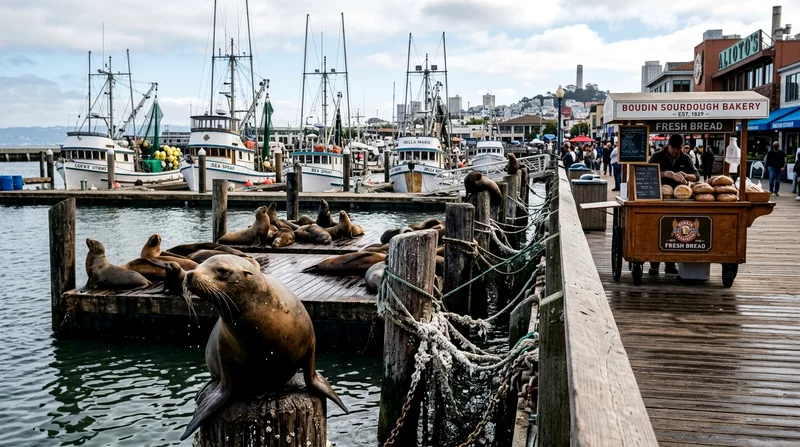
Fisherman's Wharf, about 3 miles from the bridge, is the natural base for bike tours and a reasonable place for lunch afterward, though I'd steer clear of the chain restaurants directly on the water — they're overpriced for mediocre food, and better clam chowder is a few blocks inland. Aquatic Park, just beside the Wharf, has a small sandy cove where open-water swimmers train year-round and gives a different, lower-key bay view if you want a break from bridge-focused sightseeing. It's also where the historic ships of the Maritime National Historical Park are docked, a solid add-on if you've got kids who need a change of pace.
Frequently asked questions
What is the best way to visit the Golden Gate Bridge?
For most visitors, walking the pedestrian path independently is the best option — it's free, flexible, and takes about 1.5 to 2 hours round trip. Choose a guided bike tour only if you want the one-way ride to Sausalito with transportation handled, since arranging your own bike return adds real planning effort.
How long does it take to walk across the Golden Gate Bridge?
A one-way walk across the main span is about 1.7 miles and takes 30-40 minutes at a steady pace, longer with photo stops. Round trip, budget 1.5 to 2 hours including time at the towers and vista points on both ends.
What are the different types of Golden Gate Bridge tours available?
Options include self-guided walking, self-guided bike rental, guided walking tours (around 2 hours, $40-$60), and guided bike tours to Sausalito (3-5 hours, $60-$160 depending on whether a ferry return is included). Platforms like GetYourGuide and Klook list current operators and departure points.
What is the best time to visit for photos?
Late September through October offers the clearest skies with fewer fog interruptions than summer months. For lighting, arrive 45 minutes before sunset at Battery Spencer on the Marin side, or shoot mid-morning on a weekday to avoid crowds at Crissy Field.
Are there family-friendly tour options?
Yes — guided walking tours suit families better than multi-hour bike tours, especially with kids under 10. Crissy Field's flat, stroller-friendly path paired with a short bridge walk is a manageable half-day combination that doesn't demand cycling stamina from young children.