Find San Francisco drag show tickets at top venues. Learn what's included, dress codes, ticket options, and tips for first-timers attending drag brunches.
What San Francisco Drag Shows Include
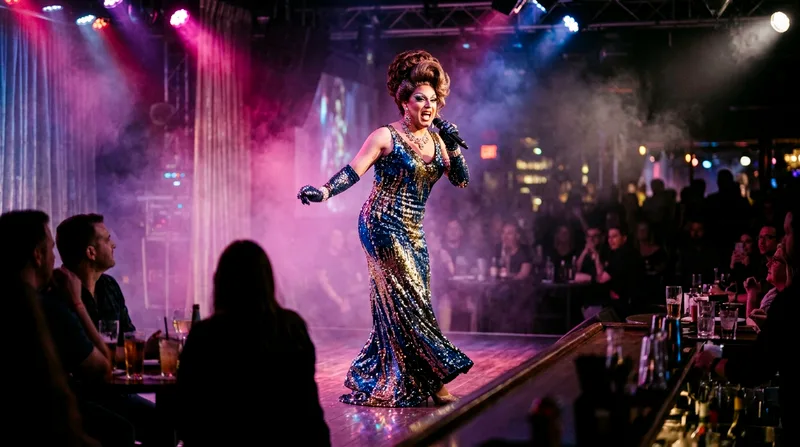
A San Francisco drag show ticket typically buys you 60 to 90 minutes of lip-sync numbers, live singing, comedy bits, and costume changes, usually built around a loose theme — a tribute night, a holiday special, or a touring performer from RuPaul's Drag Race. Most shows run multiple acts with a emcee who works the crowd between sets. This isn't passive theater. Expect to be pulled into the performance if you're sitting near the stage, and expect tip buckets to circulate — bring small bills, $1 and $5 denominations, because tipping performers directly is part of the culture, not optional etiquette you can skip.
Venues vary in how much a ticket covers. A general admission ticket to a nightclub show often gets you entry and a standing or shared-table spot; it rarely includes drinks. Reserved seating or VIP tiers sometimes bundle a drink ticket or a reserved table close to the runway. Read the ticket description closely before buying — "VIP" at one venue might mean front-row seating, while at another it just means you skip the general admission line.
Live performances and audience interaction
Audience interaction is the backbone of SF drag, not a side effect. Performers will walk the room, make eye contact, occasionally pull someone up for a bit, and read the crowd's energy into their act. If you're camera-shy or need personal space, ask to sit farther back when you book — most venues let you request general seating away from the runway. Photography rules vary by show: some performers welcome phone photos during numbers, others ask you to put phones away entirely, so watch for the emcee's announcement at the start.
Food, drinks, and brunch packages
Drag brunch packages are a different animal from nightclub tickets. These typically bundle a fixed or buffet-style meal with the ticket price, sometimes with a mimosa or bottomless drink add-on for an extra fee. A standard drag brunch runs roughly two to two and a half hours and includes two or three short performance sets staggered between courses, rather than one continuous show. If you're bringing kids or older relatives, brunch is the gentler entry point — daytime, seated, food-focused — compared to a late-night club show where the material skews more adult and the room gets loud.
Top Drag Venues and Ticket Options
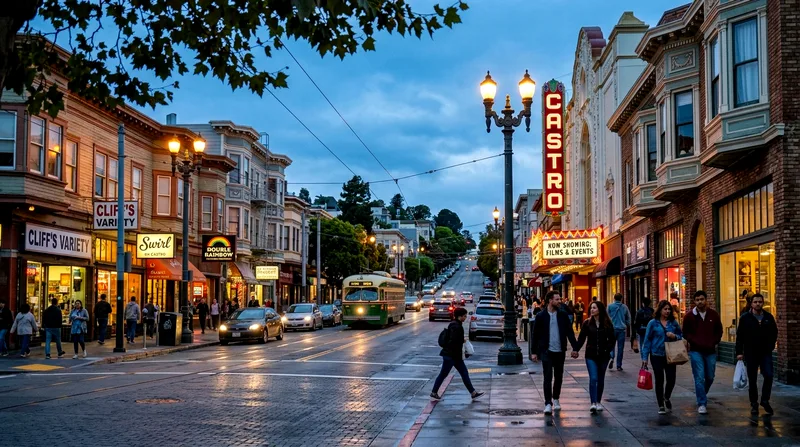
The Castro District, officially recognized as the Compton's TLGBQ Cultural Heritage District in a different part of the city (the Tenderloin) but historically and culturally anchored in the Castro, remains the center of gravity for San Francisco drag. Bars and small theaters along Market and Castro Streets host weekly or monthly drag nights, and several larger clubs in SoMa and the Tenderloin run drag as a recurring weekend fixture rather than a one-off event. Expect a mix of long-running local showcases and occasional touring acts featuring past RuPaul's Drag Race contestants, which tend to be priced higher and billed separately from house shows.
Don't assume every venue runs drag every night. Some spots do it weekly, others monthly, and touring shows pop up irregularly. Always check the specific date on the venue's calendar before planning your trip around it — this is the single most common mistake visitors make, assuming drag is a nightly guarantee like it might be in Las Vegas showrooms.
Nightclub drag shows run later and louder, while drag brunches offer a shorter, family-friendlier daytime format.
San Francisco drag show and brunch options compared by format, length, and crowd
| Format | Typical Start Time | Duration | Food/Drink Included | Best For |
|---|---|---|---|---|
| Nightclub drag show | Evening (8-9pm doors) | 60-90 min | Rarely included | Nightlife-focused groups, solo travelers |
| Drag brunch | Late morning-early afternoon | 2-2.5 hours | Usually included (meal) | Families, first-timers, seniors |
| Touring/headliner show | Evening, variable | 90-120 min | Rarely included | Fans of Drag Race performers |
| VIP/front-row package | Same as base show | Same as base show | Sometimes a drink | Photographers, special occasions |
Figures as of 2024; exact timings and inclusions vary by venue and specific event — confirm on the official booking page.
Nightclub shows vs. daytime brunches
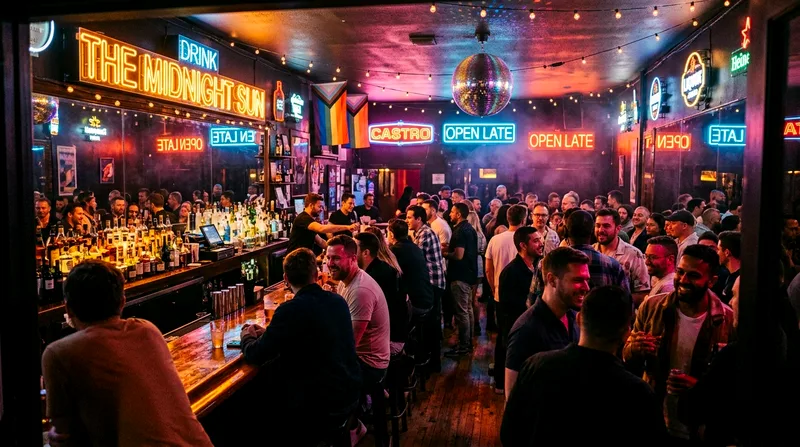
Nightclub shows start later, usually with doors around 8 or 9pm and the show itself beginning 30 to 60 minutes after, running past midnight on weekends. The crowd is younger, louder, and the material is raunchier. Brunches run late morning into early afternoon, cater to a broader age range, and feel closer to a dinner-theater experience. If you're traveling with teenagers or parents, brunch is the safer bet; solo travelers and couples looking for a bigger night out will get more energy from the late show.
Comparing ticket tiers and experiences
Most venues sell three rough tiers: general admission (standing or shared seating, no drink included), reserved seating (guaranteed seat, sometimes near the stage), and VIP or front-row packages (best sightlines, occasionally a drink or merchandise included). The price gap between general admission and VIP is often $20 to $40, depending on the show and performer lineup. For photographers wanting clean shots of the stage, reserved or VIP seating is worth the upgrade — general admission at a packed club often means shooting over heads.
How to Book and Where to Buy
Buy San Francisco drag show tickets directly from the venue's website when possible — it's the only way to be sure the listing, seating chart, and age policy are accurate. When a venue doesn't run its own ticketing system, the two platforms you'll see most often are Eventbrite and Ticketmaster, both of which host official listings for Castro and SoMa venues. Avoid third-party resale sites that aren't explicitly linked from the venue's own page; markups are common and refund policies on resale tickets are often weaker than the original seller's.
Official venue websites and ticketing platforms
Check the venue's own site first for a "tickets" or "events" tab — many smaller drag bars sell directly through their own checkout rather than a third party, which usually means lower fees. For bigger productions or touring acts, Eventbrite listings are common for brunches and one-off shows, while Ticketmaster tends to handle larger theater-scale drag productions. If you're booking through a hotel concierge or a general SF sightseeing bundle, confirm it links back to one of these official channels before paying.
Best times to book and availability
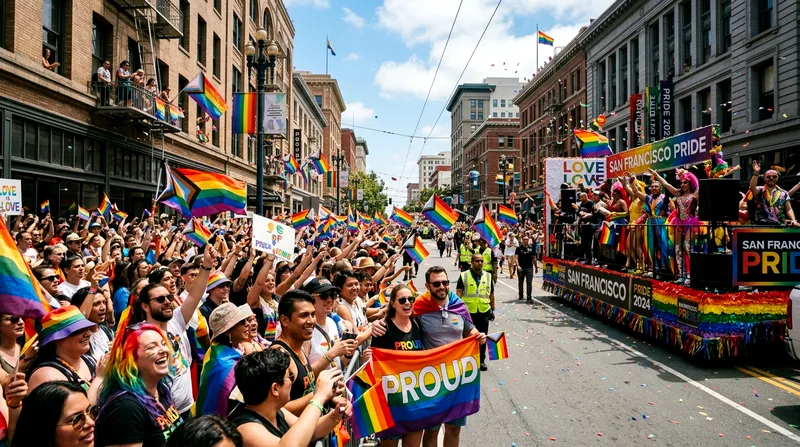
Weekend shows — Friday and Saturday nights, plus Saturday and Sunday brunch slots — sell out fastest, sometimes a week or two ahead for popular residencies or touring performers. Weeknight shows are more forgiving; you can often buy day-of. If your trip lands during Pride month in June, book at least three to four weeks out, since both ticket demand and hotel rates in the Castro spike citywide. Compare that to booking a show in Los Angeles or Las Vegas, where the sheer volume of competing venues means same-week availability is more common — San Francisco's drag scene is smaller and more concentrated, so popular nights genuinely sell out.
Dress Code and First-Timer Tips
There's no strict dress code at most San Francisco drag venues, but showing up in flip-flops and gym shorts will make you feel out of place. The crowd generally dresses up a notch — think "going out" clothes rather than club-formal. Some bars run small events around themes (sequins, leather, decades-specific nights) and attendees lean into it, but it's never required unless the specific event listing says so.
What to wear to a drag show
For evening shows, smart-casual works everywhere: button-downs, dresses, nice jeans. For brunch, daytime casual is fine — you won't stand out in a sundress or collared shirt. Layer for temperature; San Francisco venues can run cold from air conditioning or warm from a packed room, and the city's weather itself swings 15 degrees between afternoon and evening regardless of season. Skip anything you'd be upset about getting a little beer or mimosa splashed on — tables are close together in most of these rooms.
Etiquette and audience participation
Tip performers in cash when the bucket comes around — it's the primary way many drag artists get paid beyond the door split. Don't touch a performer without being invited to; reaching out for a photo or interaction mid-number is a common first-timer mistake that reads as rude rather than enthusiastic. Applaud, cheer, sing along if invited — this crowd rewards energy. Respectful curiosity about gender expression and drag as art form is welcome; treating performers as a punchline is not, and bar staff will ask disruptive guests to leave.
Is It Worth the Cost?
Drag show tickets in San Francisco generally land in a wide range depending on format and performer — brunches and local house shows tend to sit at the lower end, while touring acts with Drag Race alumni push toward the higher end, often with VIP add-ons on top. That's roughly comparable to a mid-tier comedy club ticket in the city, and considerably cheaper than a Las Vegas production show, which can run two to three times as much once resort fees and drink minimums are factored in.
Value for solo travelers and groups
Solo travelers get strong value here — drag venues are genuinely easy places to go alone, bar seating is common, and the show itself fills the social gap a quiet dinner wouldn't. Groups benefit from brunch packages, which often have per-person pricing that includes food, making it simpler to split costs than a dinner-plus-separate-show evening elsewhere in the city, like pairing a meal in North Beach with a ticketed show across town.
Budget-friendly vs. premium experiences
If you're on a budget, a weeknight house show with general admission seating is the cheapest honest way in — you lose nothing essential, just proximity to the stage. Premium is worth it mainly for a birthday, anniversary, or honeymoon, when a reserved table and better sightlines actually matter to the experience. I wouldn't pay a VIP upcharge for a weeknight local show; I would for a touring headliner on a Saturday, where general admission can mean standing in the back of a packed room.
Frequently asked questions
Where can I find the best drag shows in San Francisco?
The Castro District has the highest concentration of regular drag nights, with additional venues in SoMa and the Tenderloin running weekend shows. Check individual venue calendars directly rather than assuming any single bar runs drag every night — schedules vary weekly.
How much do San Francisco drag show tickets cost?
Local house shows and brunches tend to be the most affordable option, while touring performers with national profiles cost more, and VIP or front-row packages add a premium on top of general admission. Prices shift by event, so confirm the current rate on the venue's official ticketing page before booking.
What should first-timers expect at a drag show?
Expect loud, interactive performances with lip-sync and live comedy, a tip bucket circulating during numbers, and an emcee who engages directly with the audience. Sit farther from the stage if you'd rather watch than participate.
Can anyone attend a drag show in San Francisco?
Most evening shows are 21-plus because they're held in bars or clubs serving alcohol; drag brunches are often more flexible and sometimes allow younger attendees. Check the specific venue's age policy before buying tickets, since it varies by location and event.
What is the dress code for San Francisco drag venues?
There's generally no strict dress code — smart-casual works for evening shows, daytime casual is fine for brunch. Avoid overly casual beachwear or gym clothes; most attendees dress up a notch for the occasion.