Plan your San Francisco Pride visit with our complete events guide — parade tickets, viewing spots, party passes, and what's included in each.
What San Francisco Pride Events Include
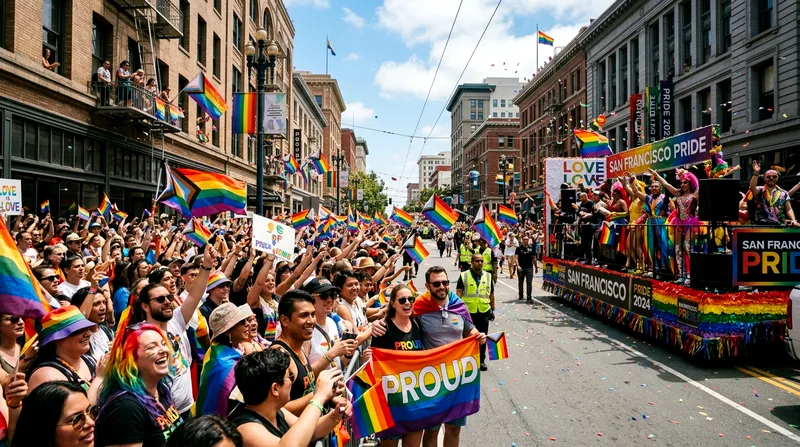
San Francisco Pride runs across one weekend in late June, built around two anchor events: the Pride Parade down Market Street and the Civic Center Pride Celebration, a ticketed festival with music stages, vendor booths, and bars. Around those two, dozens of neighborhood parties, club nights, and community gatherings fill out the calendar from Friday through Sunday. It's one of the three or four largest Pride celebrations in the country, alongside New York and Los Angeles, and the parade alone regularly draws crowds in the hundreds of thousands — though organizers don't release a precise attendance figure each year, so treat any specific number you see online skeptically.
The event is organized by the nonprofit San Francisco Pride, which also runs the Civic Center festival grounds and issues whatever official guidance exists on routes, hours, and safety closures. Always check their site before you lock in travel dates, because exact 2026 dates, start times, and road closures aren't published far in advance and shift slightly year to year.
Main parade and festival components
The parade typically starts mid-morning on Sunday and runs for several hours, with contingents from LGBTQ+ organizations, tech companies, political groups, nonprofits like Project Open Hand, and dozens of community marching bands and dance groups. It's long — often three to four hours of continuous groups — so arrive early if you want a specific spot rather than drifting in at noon expecting room at the barricades. The Civic Center Celebration runs both Saturday and Sunday behind the parade route, with a ticketed, 21-plus beer garden in some years and a free general admission area with stages open to all ages. Expect loud sound systems, long lines for food trucks, and very little shade — bring a hat.
Venue locations and neighborhoods
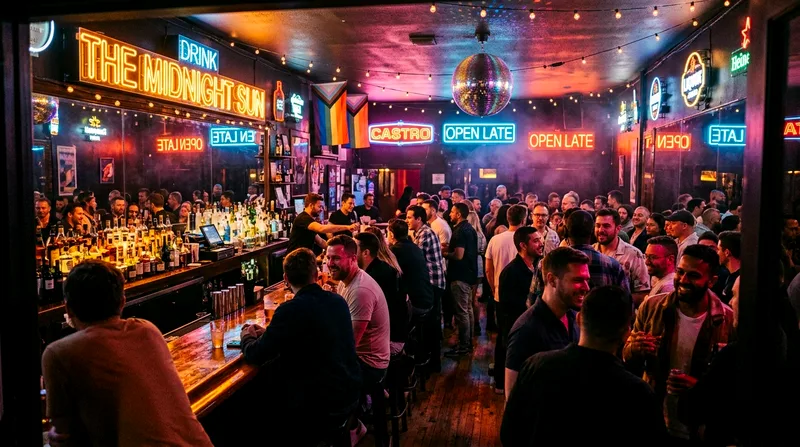
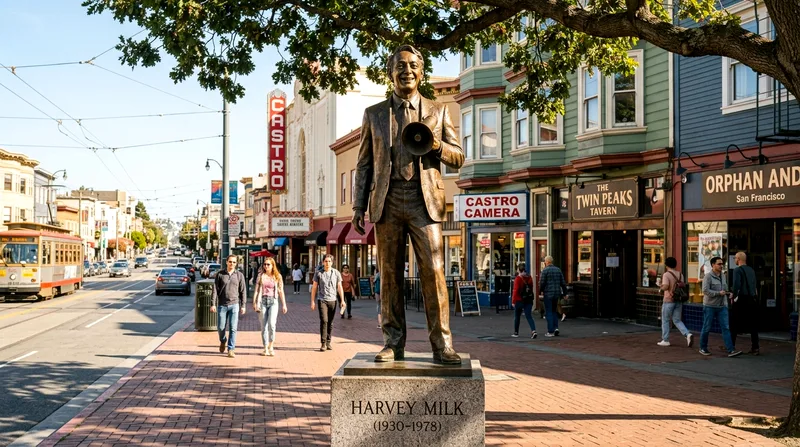
The parade travels down Market Street, usually starting near Beale Street and ending at Civic Center Plaza in front of City Hall, where the festival grounds take over for the weekend. Beyond that corridor, the real neighborhood energy is in The Castro, which hosts its own street parties, bar crawls, and community events that aren't part of the official ticketed programming at all. South Beach and Bernal Heights host smaller, often free, satellite parties and brunches that locals favor precisely because they're less crowded than Market Street. If you want the big spectacle, stay near Civic Center or Market Street; if you want a mellower, more residential feel, book a hotel or Airbnb near The Castro instead.
Ticketed Events vs. Free Pride Activities
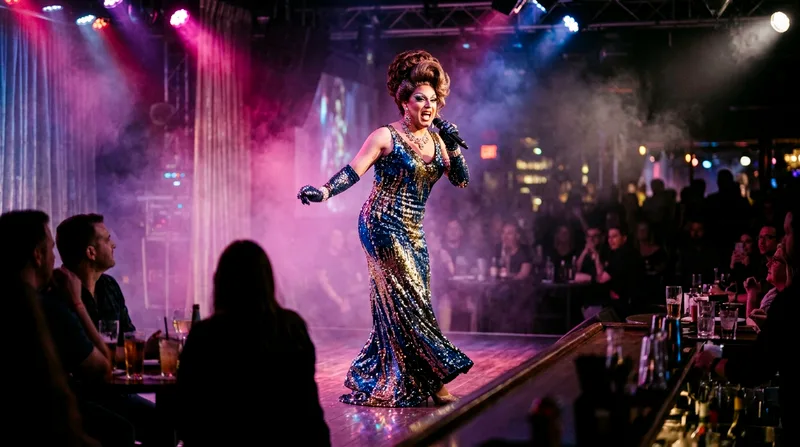
Here's the thing most first-timers get wrong: they assume Pride is an expensive, all-ticketed weekend like a music festival. It isn't. The parade is free and always has been — there's no admission to stand along Market Street and watch. What costs money are the add-ons: grandstand seating, the 21-plus sections of the Civic Center festival, and the independent club parties and circuit events that run Friday and Saturday nights across SoMa and The Castro.
This matters for budgeting. A solo traveler or a couple who just wants to see the parade and wander the free festival stages can do the whole weekend for the cost of transit and a few meals. A party-focused visitor chasing the big nightlife events — DJ sets, rooftop parties, dance events sometimes branded under names like Art Battle SF for art-and-performance crossover nights — should expect to spend considerably more, often $40 to $150+ per ticketed party depending on the event and how late you buy.
The SF Pride parade and most street events are free, while festival sections, grandstand seats, and club parties carry separate admission costs.
San Francisco Pride events compared: cost, location, and who they suit
| Event | Typical Cost | Location | Best For |
|---|---|---|---|
| Pride Parade (street viewing) | Free | Market Street | First-timers, families, budget travelers |
| Grandstand/reserved seating | Paid, limited availability | Along parade route | Seniors, mobility needs, guaranteed seat |
| Civic Center festival (general) | Free | Civic Center Plaza | All ages, casual visitors |
| Civic Center beer garden/21+ area | Paid wristband | Civic Center Plaza | Adults wanting drinks on-site |
| Club and circuit parties | Paid, varies widely | SoMa, The Castro | Party seekers, nightlife fans |
| Castro street celebrations | Free | The Castro | Couples, LGBTQ+ community feel |
| Neighborhood events (Bernal Heights, South Beach) | Mostly free | Bernal Heights, South Beach | Locals-style, lower-crowd experience |
Figures reflect typical patterns as of 2025; confirm exact 2026 dates, prices, and availability on official event sites before booking.
What requires admission
Admission typically applies to: the beer garden or 21-plus sections within Civic Center Plaza (sometimes requiring a wristband purchased on-site or online in advance), grandstand or reserved seating along the parade route, and independent club and warehouse parties not run by San Francisco Pride itself. These third-party parties are the biggest variable — prices, lineups, and even whether they happen at all can change year to year, so don't assume last year's party is running again. Check each promoter's own site rather than relying on resale platforms, which often mark up Pride tickets significantly in the final two weeks before the event.
Free community events and contingents
The parade itself, general admission areas of the Civic Center festival, most Castro street gatherings, and neighborhood events in Bernal Heights and elsewhere are free to attend. Community contingents — nonprofits, PFLAG chapters, school groups, employee resource groups from local companies — march without any ticket requirement, and watching them is arguably the most genuine part of the weekend. If you're traveling with teenagers or want a lower-cost introduction to Pride, plan your day around these free elements and treat any ticketed party as optional rather than central.
Parade Tickets and Viewing Options
You don't need a ticket to watch the SF Pride parade — the route along Market Street is public sidewalk, and anyone can show up. But "free" doesn't mean "comfortable." Standing room at the barricades fills up fast near Civic Center, and by mid-morning the prime spots between 5th and 8th Streets are shoulder to shoulder. If you want a guaranteed, seated view, that's where paid grandstand tickets come in.
Grandstand seating and reserved areas
San Francisco Pride has, in past years, sold limited grandstand or bleacher seating near the parade route for a fee, giving you an elevated, guaranteed seat instead of fighting for sidewalk space. These sell in limited quantity and tend to go on sale a few months ahead — check the official San Francisco Pride site each year for whether grandstand seating is offered and what it costs, since availability and pricing aren't guaranteed to repeat annually. It's worth it if you're attending with older relatives, have mobility concerns, or simply hate standing for three-plus hours. It's not worth it if you're comfortable arriving early and claiming a curb spot for free.
Street viewing and best vantage points
For free viewing, arrive at least 60 to 90 minutes before the parade's published start time if you want a barricade spot anywhere near Civic Center. The stretch of Market Street further from Civic Center — closer to the Embarcadero end — tends to be less packed and still gives you a full view of every contingent as it passes. Side streets intersecting Market also offer glimpses without the density of the main viewing zones. Avoid the very end of the route right at the festival entrance; it bottlenecks badly as parade-watchers merge with festival-goers trying to get through security screening at Civic Center Plaza.
Where to Buy Tickets and Passes
Buying through official channels matters more at Pride than almost any other San Francisco event, because the secondary market for party tickets gets flooded with resellers in the final weeks before the parade, often at double face value with no guarantee of entry.
Official ticketing channels
Start with the San Francisco Pride organization's own website for anything tied to the official festival — Civic Center admission wristbands (where applicable), grandstand seating, and any sponsor-run VIP areas. For independent club parties and circuit events, buy directly through the promoter's own site or a recognized ticketing platform they explicitly link to, not through social media resale posts. If an event mentions something like an "Art Battle SF" performance night or a specific club takeover, search for that event's own page rather than assuming it's bundled into a general Pride pass — most individual parties sell their own separate tickets.
Booking timelines and availability
Grandstand seating and marquee club parties tend to go on sale two to four months ahead and can sell out weeks before the weekend itself, particularly anything with a known DJ lineup or limited venue capacity. Hotel rooms near Civic Center, SoMa, and The Castro also book up early — by spring, decent options in walking distance of the parade route get scarce and prices climb noticeably compared to a normal June weekend. If you're flying in from Europe or elsewhere internationally, lock in flights and hotels three to four months out and treat specific party tickets as a decision you can make closer to the date, once lineups are confirmed.
Is SF Pride Worth It by Traveler Type
Pride isn't one experience — it's several overlapping ones, and whether it's worth the trip depends heavily on what you're after. Compare it honestly to alternatives: Los Angeles Pride in June offers a similarly large parade with more sprawl and car dependency, while a trip timed instead to Napa Valley or Lake Tahoe gives you a quieter, scenery-focused California trip without any of the crowd logistics. San Francisco Pride wins on walkability and density of events — Civic Center, The Castro, and SoMa are all within a 20-30 minute Muni ride of each other — but it demands more tolerance for crowds than a Monterey weekend or a Seattle Pride visit, which tends to be smaller and calmer.
Budget-conscious attendees
If you're watching costs, skip grandstand seats and club parties entirely and treat the weekend as free entertainment plus transit and food. Stay slightly outside the core zone — the Mission, Bernal Heights, or even across the bay in Oakland with a BART ride in — to cut lodging costs, since hotels directly in SoMa spike hardest during Pride weekend. This approach gets you the parade, the free festival stages, and Castro street energy without spending more than you would on an ordinary SF weekend.
First-time visitors and party seekers
First-timers should budget for at least one ticketed party and one grandstand or reserved viewing slot if crowds aren't your thing — trying to do everything for free on your first visit often means a lot of standing and not much resting. Party seekers chasing the nightlife side should pick two or three marquee events max rather than trying to hit every club; Pride weekend nights run late, Muni and rideshare both get slammed with surge pricing after midnight, and burning out by Saturday night ruins Sunday's parade. Budget roughly $200-400 for a solid weekend of 2-3 ticketed parties on top of lodging and transit, and confirm current prices directly with each event before buying.
Frequently asked questions
Do I need tickets for San Francisco Pride?
No, not for the core experience. The parade along Market Street and the general admission area of the Civic Center festival are both free and open to anyone. You only need tickets for extras — grandstand seating, 21-plus festival sections, and independent club parties — so decide what matters to you before assuming you need to buy anything at all.
What is included in SF Pride parade tickets?
"Parade tickets" usually refers to grandstand or reserved seating, not entry to watch the parade itself, which is free. A grandstand ticket typically gets you an elevated, guaranteed seat along part of the route instead of standing at the barricade. Check the official San Francisco Pride site each year to confirm whether grandstand seating is being offered and what exactly it includes, since this varies by year.
Where can I view the Pride parade for free?
Anywhere along the Market Street route is free to watch from the sidewalk. Spots nearer Civic Center fill up fastest, so arrive 60-90 minutes early if you want that stretch. Sections further toward the Embarcadero end of Market Street tend to be less crowded and still offer a full view of every contingent passing by.
What party passes are available for Pride?
Individual club and circuit parties across SoMa and The Castro each sell their own separate tickets, typically $40-150+ depending on the event, venue, and lineup. There isn't generally one unified "Pride party pass" covering multiple venues — you buy admission to each party individually, directly through that event's own ticketing page, to avoid inflated resale prices.
When should I buy San Francisco Pride tickets?
Buy grandstand seating and marquee club party tickets two to four months ahead if they're available, since popular events can sell out weeks before the weekend. Hotels near Civic Center and The Castro should also be booked by spring. Free events like the parade and general festival area don't require advance tickets at all.