Explore San Francisco's LGBTQ landmarks and queer history. Discover Harvey Milk's legacy, Castro District heritage, and bookable tours through iconic sites.
San Francisco Queer History: Why This City Matters
San Francisco queer history isn't confined to a museum or a single plaque — it's embedded in the street grid of the Castro District, in the surviving storefronts along 18th and Market, and in the archives that activists fought to preserve before anyone thought of them as historical. This is the city where Harvey Milk ran a camera shop and then ran for office, where the modern Pride Parade took shape, and where the response to the AIDS crisis forged political organizing that changed federal policy decades later.
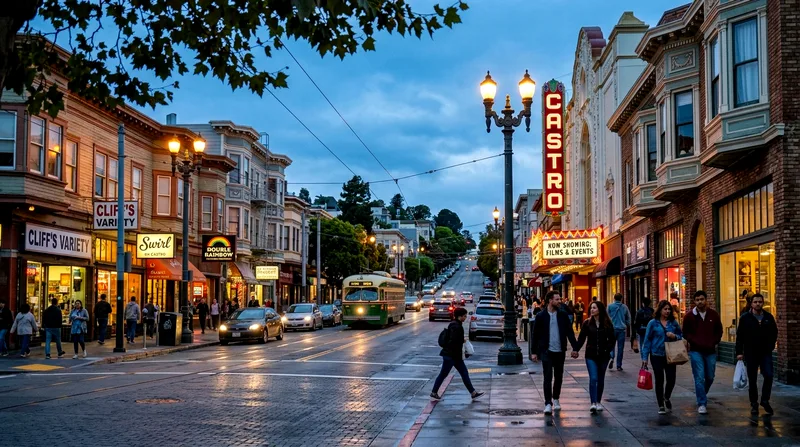
Visitors often treat the Castro as a photo op: rainbow crosswalks, a flag at Harvey Milk Plaza, maybe a drink at a bar with a view. That's fine for an afternoon, but it skips the substance. If you actually want to understand how San Francisco became the center of American LGBTQ political life — more so than New York, despite Stonewall happening there in 1969 — you need to walk a few more blocks and read a few more plaques than the postcard version suggests.
Harvey Milk and Political Activism
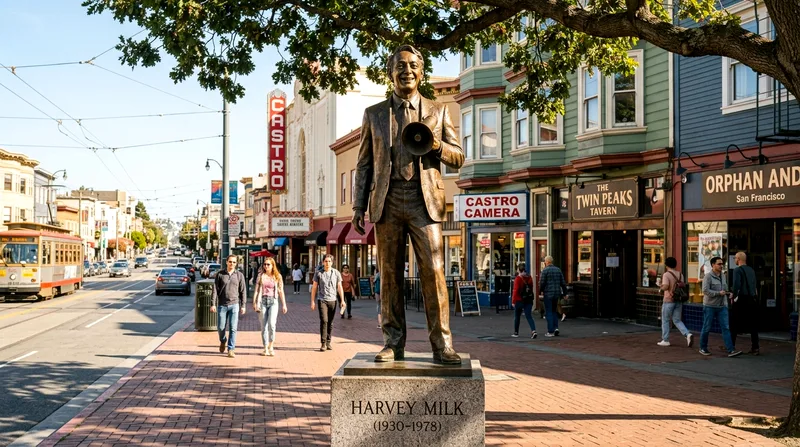
Harvey Milk history in SF isn't a side note — it's the backbone of the city's queer political identity. Milk moved to San Francisco in 1972, opened Castro Camera at 575 Castro Street, and used the shop as an informal community hub before it became his campaign headquarters. He lost two city elections before winning a seat on the Board of Supervisors in 1977, becoming one of the first openly gay elected officials in the United States — not the first in the country (Kathy Kozachenko in Michigan preceded him by a few years), but the most nationally visible.
His approach was coalition politics: he worked with labor unions, senior citizens, and other marginalized groups, not just gay constituents. That's a detail worth remembering if you're trying to understand why his legacy extends so far beyond the Castro.
Life and Legacy of Harvey Milk
Milk's camera shop storefront still stands at 575 Castro Street, now marked with a plaque and often used as a staging point for walking tours. The building itself isn't a museum — don't expect exhibits inside — but its presence on an active commercial block makes the history feel lived-in rather than roped off. Harvey Milk Plaza, at the top of the Castro Muni station, underwent a major renovation completed in the early 2020s to better tell his story through signage and design, after years of being little more than a transit entrance with a flagpole.
The 1978 Assassination and Its Impact
Milk was assassinated on November 27, 1978, along with Mayor George Moscone, by former Supervisor Dan White. The lenient verdict — voluntary manslaughter rather than murder, driven partly by the infamous "Twinkie defense" — triggered the White Night Riots, when thousands marched on City Hall. That event is as central to San Francisco's gay rights movement as Milk's election itself: it marked a shift from hopeful political participation to open confrontation with a justice system many felt had failed the community.
The Castro District: Heart of Queer Culture
Castro District queer history predates Milk by several years. Gay men began moving into the neighborhood — then a working-class Irish Catholic area called Eureka Valley — in the late 1960s and early 1970s, drawn by cheap Victorian housing and proximity to downtown. By the mid-1970s it had displaced North Beach and Polk Street as the city's primary gay neighborhood.
I'd argue the Castro's real value for visitors isn't any single building but the density of it — you can stand on one corner and see four or five sites that matter.
Historic Neighborhoods and Landmarks
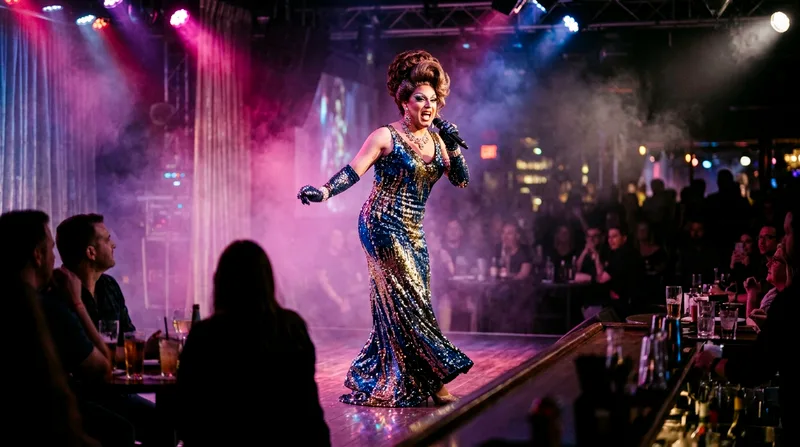
The Castro Theatre, opened in 1922, predates the neighborhood's LGBTQ identity but became a cultural anchor for it — host to film festivals, drag events, and community gatherings for decades (it's been under renovation in recent years, so check current programming before planning a visit around it). Pink Triangle Park, a small memorial a block from the Castro Muni stop, honors LGBTQ victims of the Holocaust with pink granite triangles. Twin Peaks Tavern, at the corner of Castro and 17th, is one of the first gay bars in the US to install plate-glass windows facing the street — a quiet but deliberate rejection of the secrecy that defined earlier gay bar culture.
Bars, Businesses, and Community Spaces
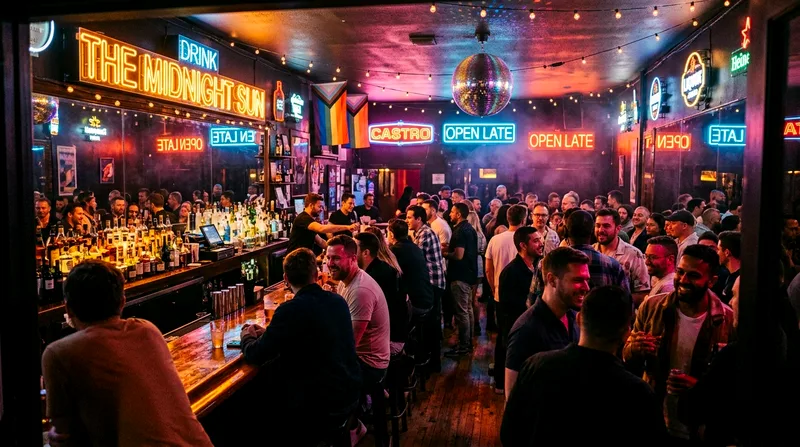
Some of the original bars are gone, replaced by chain stores and condos — a real point of tension in the neighborhood, where longtime residents argue the Castro has lost some of its edge to rising rents. But a handful of community institutions persist: the Human Rights Campaign Action Center and Store, A Different Light's former site (now closed, but historically a major LGBTQ bookstore), and bars like The Café and The Mix that have operated for decades. If you're visiting for nightlife rather than history, know that the scene here is more mellow and neighborhood-oriented than, say, West Hollywood in Los Angeles or Hillcrest in San Diego — less club-heavy, more bar-and-patio.
Museums and Cultural Institutions
LGBTQ museums San Francisco visitors can actually walk into are limited but substantial. This isn't a city with a dozen competing institutions — it has one flagship and several smaller archives, which makes planning simpler than, say, trying to cover queer history sites across a sprawling destination like Los Angeles.
LGBTQ History Museums and Archives
The GLBT Historical Society Museum on 18th Street is the country's first stand-alone LGBTQ history museum, running since 2011. It's small — a single gallery space, realistically a 45-minute to 1-hour visit — but the collection includes items like Harvey Milk's campaign ephemera and material documenting the AIDS crisis response. The society also maintains a research archive (separate from the museum, appointment-based) that historians and the San Francisco History Center at the public library both draw on for primary sources. Don't expect a Smithsonian-scale experience; expect a focused, well-curated room that rewards slow reading over quick scanning.
Exhibitions and Educational Resources
Exhibitions rotate every several months, so what's on display when you visit will vary — check the museum's current schedule rather than assuming a specific exhibit will be up. The San Francisco Public Library's Main Branch also houses LGBTQ historical materials through its History Center, accessible to the public without an appointment for general browsing, which makes it a reasonable free add-on if the museum alone feels thin for a dedicated history day.
Key Historical Milestones and Events
Understanding San Francisco's queer activism timeline helps make sense of why specific buildings and blocks matter. The city's LGBTQ political identity didn't start with Stonewall in 1969 — it has roots in the 1950s homophile movement and groups like the Daughters of Bilitis, founded in San Francisco in 1955, one of the first lesbian rights organizations in the country.
1970s Activism and Stonewall Aftermath
After the 1969 Stonewall uprising in New York, San Francisco's existing activist networks accelerated rather than started from scratch. The Castro's transformation into a gay neighborhood through the early-to-mid 1970s coincided with this wave, and by 1977 the city had enough organized political power to elect Milk. The 1978 White Night Riots, covered earlier, remain the clearest marker of activism shifting from electoral hope to street confrontation.
Pride History and Community Organizing
San Francisco held its first Gay Freedom Day march in 1972; the event has run nearly every year since, growing into the San Francisco Pride Parade that now draws roughly a million attendees over Pride weekend each June, one of the largest Pride events in the world — bigger by attendance than Pride celebrations in Seattle or Portland, and comparable in scale to events in Los Angeles. The AIDS crisis of the 1980s reshaped community organizing again, producing institutions like the AIDS Memorial Quilt (which originated in San Francisco in 1985) and the NAMES Project.
Planning Your Queer History Visit
Give the Castro and its history at least half a day — a rushed hour gets you photos, not understanding. Pair it with the GLBT Historical Society Museum and you've got a full, satisfying day that costs little beyond museum admission (typically in the $5-10 range for the museum; confirm current pricing when booking).
The GLBT Historical Society Museum and a Castro walking tour together cover most of San Francisco's key queer history sites in under a day.
San Francisco queer history sites compared: time needed, cost, and focus
| Site/Experience | Time Needed | Typical Cost | Best For |
|---|---|---|---|
| GLBT Historical Society Museum | 45-60 min | Approx. $5-10 | First-time visitors wanting curated context |
| Harvey Milk Plaza & camera shop site | 20-30 min | Free | Photographers, Milk history |
| Pink Triangle Park | 10-15 min | Free | Reflective visitors, memorial focus |
| Twin Peaks Tavern | 20-30 min (if stopping for a drink) | Cost of drinks only | Couples, casual history buffs |
| Guided Castro walking tour | 2-3 hours | Varies by operator | Solo travelers, groups wanting narrative depth |
| San Francisco History Center (library) | 30-60 min | Free | Researchers, deep-dive readers |
Figures approximate as of 2024; museum admission and tour pricing change, so confirm current rates when booking.
Walking Tours and Guided Experiences
Several operators run guided walking tours of the Castro and queer history sites, typically lasting 2 to 3 hours and covering Harvey Milk's camera shop site, Pink Triangle Park, Twin Peaks Tavern, and Harvey Milk Plaza, often led by guides with direct ties to local LGBTQ history or activism. These tours add context that plaques alone can't — stories about specific organizing meetings, bar raids, or personal accounts passed down through community members. Compare current walking tours and prices before you book, since route length and focus (some lean political history, others lean nightlife and culture) vary by operator.
Museums and Self-Guided Itineraries
If you'd rather go at your own pace, a self-guided day works well: start at the GLBT Historical Society Museum in the morning, walk to Harvey Milk Plaza and the camera shop site, continue to Pink Triangle Park and Twin Peaks Tavern, then finish with lunch on Castro Street. The whole route covers under a mile on foot. Avoid visiting only on a Monday — some small community spaces and the museum itself may have reduced hours early in the week, so check current hours before building your schedule around a specific stop.
Frequently asked questions
What is San Francisco's significance in LGBTQ history?
San Francisco became the center of American LGBTQ political organizing starting in the 1950s with groups like the Daughters of Bilitis, accelerating through the Castro District's growth in the 1970s and Harvey Milk's 1977 election to the Board of Supervisors. Its combination of early political representation, a geographically concentrated gay neighborhood, and organized response to the AIDS crisis gave it an outsized role compared to other US cities.
Where can I visit Harvey Milk's historic sites?
The former Castro Camera storefront at 575 Castro Street carries a memorial plaque, and Harvey Milk Plaza sits at the top of the Castro Muni station a block away, with signage detailing his life and political career following a renovation completed in the early 2020s. Both are free to visit and accessible on foot within the Castro District.
What are the main LGBTQ landmarks in San Francisco?
Core landmarks include Harvey Milk Plaza, the Castro Camera storefront site, Pink Triangle Park, Twin Peaks Tavern, the Castro Theatre, and the GLBT Historical Society Museum. Nearly all sit within a half-mile of the Castro Muni station, making a single walking route practical for most visitors.
Are there guided tours of queer history sites?
Yes — several operators run 2-3 hour walking tours through the Castro covering Harvey Milk's political career, the AIDS crisis response, and neighborhood development, often led by guides connected to local LGBTQ organizations. Check current tour listings and prices before booking, as routes and emphasis differ between operators.
What museums cover San Francisco LGBTQ history?
The GLBT Historical Society Museum on 18th Street is the primary dedicated museum, open since 2011 with rotating exhibitions and a permanent collection including Milk-era campaign materials. The San Francisco Public Library's History Center supplements this with archival material, useful for visitors wanting deeper research access beyond a single gallery visit.