San Francisco food tour vs self guided eating compared: cost per tasting, time, insider access and crowds — find out which fits your trip.
Options at a Glance
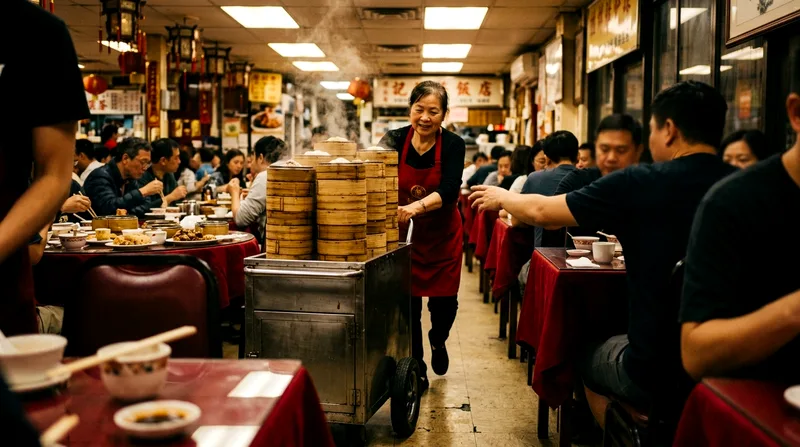
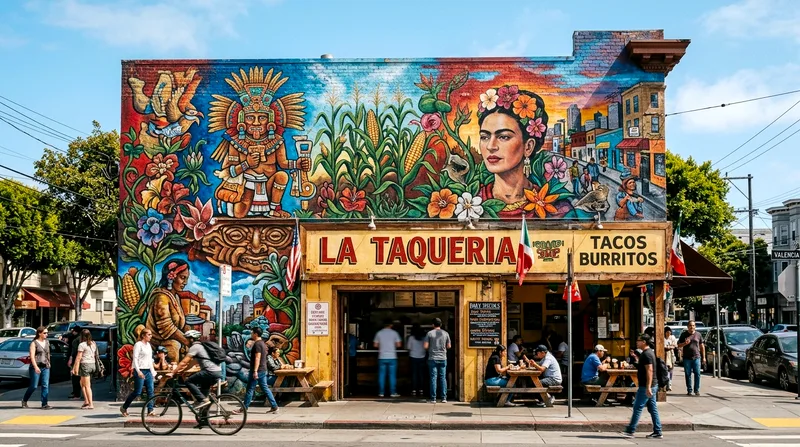
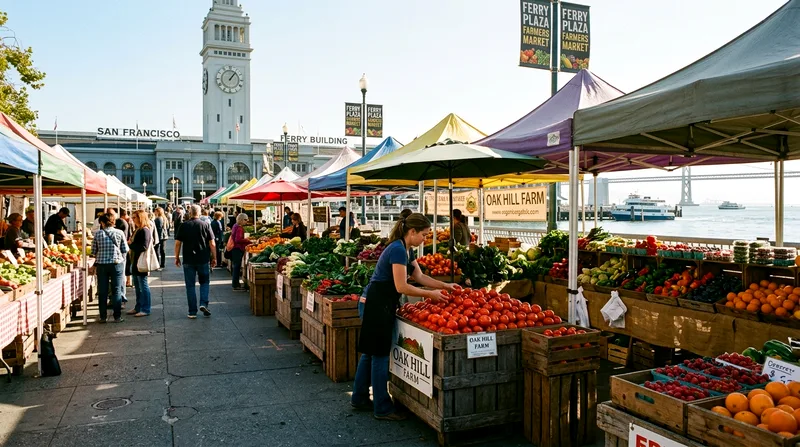
San Francisco rewards eaters who show up with a plan, because the best bites are scattered across neighborhoods that don't naturally connect — Chinatown's dim sum counters, the Ferry Building's artisan stalls, North Beach's old-school Italian delis, the Mission's taquerias and ice cream shops. The San Francisco food tour vs self guided question comes down to whether you want someone else to build that plan or you'd rather build it yourself.
A guided food tour typically runs 2.5 to 4 hours, covers one neighborhood in depth, includes 5 to 8 tastings, and costs somewhere between $65 and $150 per person depending on the operator and whether alcohol is included. You'll find dozens of these listed on Viator and TripAdvisor, with Chinatown and North Beach tours being the most commonly booked.
Self-guided eating means you choose the stops, set the pace, and pay only for what you order. It also means doing your own homework — figuring out which Chinatown bakery actually sells out of char siu bao by 1pm, or which Ferry Building vendor has a line worth standing in versus one to skip.
Guided tours cost roughly double per tasting but save 1 to 2 hours of planning and walking time compared to self-guided eating.
San Francisco food tour vs self guided eating: cost, time, and access compared
| Option | Typical Cost | Duration | Tastings Included | Best For |
|---|---|---|---|---|
| Chinatown guided tour | $65-$95 | 2.5-3 hrs | 5-7 | First-time visitors, context-seekers |
| North Beach guided tour | $75-$120 | 3 hrs | 5-6 | Wine lovers, couples |
| Combined Chinatown + North Beach | $100-$150 | 3.5-4 hrs | 7-8 | Solo travelers wanting full immersion |
| Self-guided Ferry Building crawl | $25-$50 | 1.5-2.5 hrs | Unlimited (pay per item) | Budget travelers, families |
| Self-guided Mission taco walk | $20-$40 | 2-3 hrs | Unlimited (pay per item) | Independent eaters, photographers |
| Self-guided Chinatown walk | $15-$35 | 1.5-2 hrs | Unlimited (pay per item) | Return visitors, budget-conscious |
Prices approximate as of 2024-2025; check current listings on Viator or TripAdvisor before booking, as rates vary by season and group size.
What guided food tours include
Most guided tours bundle a local or trained guide, pre-arranged tastings at 4 to 6 vendors, historical and cultural narration, and a fixed route through one compact area — Chinatown, North Beach, or sometimes a combined Chinatown-plus-North Beach walk since they're adjacent. Some operators add a beer or wine pairing for an extra $20 to $30. Group sizes usually range from 8 to 16 people, though smaller "private" versions exist at a premium, often double the per-person cost. The tastings are portion-controlled — expect small plates, not full meals — so most guides tell you upfront not to skip breakfast or lunch entirely beforehand.
What self-guided exploration offers
Going solo gives you full menu access rather than a curated tasting portion, meaning you can order the whole soup dumpling basket instead of two. You also control timing entirely — arrive at the Ferry Plaza Farmers Market at 9am on a Saturday before the crowds, or hit a Mission taqueria at 2pm during the post-lunch lull. The tradeoff is research time and the real risk of wasted trips: showing up to a famous spot only to find a 45-minute line or a closure you didn't know about. Google Maps reviews and a neighborhood food map help, but they don't replace a guide's real-time read on which stall has fresh product that day.
Cost Per Tasting and Budget Impact
Break a guided tour down to cost per tasting and the number looks steep at first — an $85 Chinatown tour with 6 tastings works out to roughly $14 per bite. But that figure includes the guide's time, the arranged access (some vendors only serve tour groups outside normal hours), and the narration. Compare that to buying 6 items independently at the same stalls, which might run $35 to $50 total, or $6 to $8 per item — but without the context, the line-skipping, or the guarantee that each stop is actually worth visiting.
Guided tour pricing breakdown
Expect the bulk of a guided tour's price to cover food costs (usually 40-50% of the ticket price goes to vendors), guide wages, and the operator's margin. Tours booked through aggregators like Viator often run slightly higher than booking direct with a local operator, since the platform takes a commission — but they also offer easier cancellation policies, typically free up to 24 hours before departure. Private tours for 2 to 4 people can run $150-$250 per person, which only makes sense if you specifically want a customized route or have dietary restrictions a group tour can't accommodate.
Self-guided spending patterns
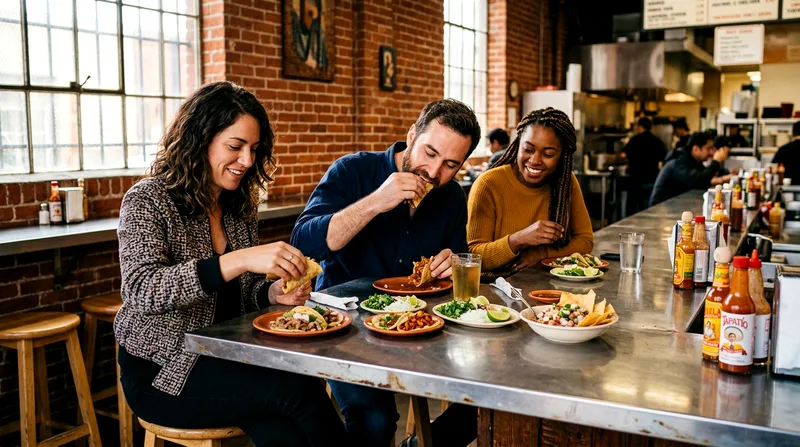
Self-guided eaters tend to either underspend (grabbing one or two items and calling it a day) or overspend by ordering full portions at every stop out of enthusiasm. A realistic Ferry Building crawl — a bowl of Hog Island oysters, a pastry from Acme Bread, a few cheese samples, a coffee — lands around $35-$45 per person. The Mission offers the best value per dollar: a taco at a no-frills taqueria runs $4-$6, so you can sample four spots for under $25. If you're on a tight budget, self-guided wins outright; there's no tour markup and no minimum spend.
Time Efficiency and Tour Duration
Time is the resource guided tours actually sell. A 3-hour Chinatown or North Beach tour packs in stops that would otherwise require standing in multiple lines, consulting maps, and guessing which bakery is worth the wait. If you're in San Francisco for only 2 or 3 days — a common itinerary for visitors also planning a side trip to Napa Valley or Monterey — a guided tour compresses a neighborhood's food scene into a single efficient block, leaving the rest of your day free for Alcatraz or the Golden Gate Bridge.
Hours required for guided tours
Most guided food tours run 2.5 to 4 hours, starting late morning (around 10am or 11am) to catch vendors before lunch rushes, or late afternoon before dinner service. Factor in transit time to the meeting point — usually a BART or Muni stop near Chinatown's Portsmouth Square or the Ferry Building — and the full commitment is closer to 4 to 5 hours door to door. That's a significant chunk of a day trip, so weigh it against other fixed-time activities you might want, like a bay cruise or a cable car ride.
Flexibility of self-guided pacing
Self-guided eating can be as short as 45 minutes or stretch across an entire day with breaks for shopping or sightseeing between bites. You can split it: breakfast dim sum in Chinatown, an early afternoon break to ride the cable car, then dinner tacos in the Mission after taking BART or Muni across town. That flexibility comes with a cost — if you linger too long at one stop or misjudge Muni's schedule (which can run every 10-20 minutes depending on the line), you might burn more total time than a guided tour would have taken.
Insider Access vs. Self-Discovery
This is where the San Francisco food tour vs self guided debate gets genuinely interesting, because the answer isn't just about money or time — it's about what kind of traveler you are. Guides often have relationships with vendors built over years, meaning you might get a back-of-house peek at a Chinatown noodle shop or hear why a specific North Beach bakery has used the same sourdough starter since the 1970s. That's knowledge you won't get from a Yelp review.
Underrated spots and local knowledge
A good guide knows which Chinatown alley has the egg tart stand that locals actually queue for, versus the tourist-facing shop on the main drag. They'll also explain context most self-guided eaters miss entirely — why the Ferry Building became a food hall, or how the Mission's taco scene reflects decades of immigration patterns. If learning the "why" behind the food matters to you as much as the eating, that's a real point in favor of guided tours, and it's the main reason repeat visitors to SF still book them occasionally even after years of independent exploring.
Crowd levels and peak times
Guides generally know how to dodge the worst crowds — visiting a Ferry Building stall at 10:30am instead of peak Saturday farmers market hours around noon, for instance. Self-guided travelers can replicate this with some research: the Ferry Plaza Farmers Market runs Tuesdays and Saturdays, and arriving within the first hour after opening avoids the thickest crowds. Chinatown gets busiest on weekend afternoons; weekday mornings are noticeably quieter for both guided and self-guided visitors alike.
Who Should Choose Which Option
Neither option is universally better, and anyone telling you otherwise is selling something. The right pick depends on your trip length, group size, budget, and how much you actually enjoy the planning process versus finding it stressful.
Best for guided tour travelers
Choose a guided tour if you're a first-time visitor with limited days, a solo traveler who wants built-in social interaction without the awkwardness of eating alone, or part of a family that wants a structured 3-hour outing rather than open-ended wandering with hungry kids. Honeymooners and couples also tend to like the North Beach tours that pair food with wine, since they double as a date-night activity rather than just a meal. European travelers unfamiliar with tipping norms or how American portion sizes work also benefit from a guide's practical explanations.
Best for self-guided explorers
Go self-guided if you're a budget-focused backpacker, a returning visitor who already knows the Mission or Chinatown, or simply someone who hates being on anyone else's schedule. Photographers often prefer self-guided walks too, since a tour group's pace rarely allows time to wait for the right light at a market stall. Surfers and skiers splitting their trip between the city and Lake Tahoe or the coast near Monterey also tend to favor self-guided eating — it fits more naturally into a loose, activity-driven itinerary than a fixed 3-hour commitment.
The Verdict
If you want one clear rule: book a guided tour for your first visit to Chinatown or North Beach, and go self-guided everywhere else. The insider access and time savings genuinely justify the cost premium for neighborhoods you don't know, especially on a short trip where wasted time has a real opportunity cost — every hour spent wandering lost near Grant Avenue is an hour not spent at the Ferry Building or on a bay cruise.
For the Mission, Ferry Building, and any neighborhood you're visiting a second or third time, self-guided wins on cost and flexibility, full stop. You'll spend less, eat more of what you actually want, and avoid the one real downside of group tours — pacing yourself to the slowest member of a group of strangers. Compare this to Los Angeles or San Diego, where food scenes are more spread out and require driving between stops; San Francisco's walkability and BART/Muni access make self-guided food exploration far easier here than in car-dependent cities, and easier than in Seattle or Portland, where neighborhoods demand more transit planning. Avoid booking a guided tour if you're already food-savvy and simply want a meal — you'll end up paying for narration you don't need.
Frequently asked questions
Is a guided food tour worth the investment in San Francisco?
It's worth it for first-time visitors to Chinatown or North Beach who have limited time and want context alongside the food. At $65-$120 for 2.5-4 hours and 5-8 tastings, you're paying for access and narration, not just calories. If you already know the city or just want to eat without commentary, skip it.
How much do San Francisco food tours cost per person?
Most group tours run $65-$150 per person depending on neighborhood, duration, and whether alcohol is included. North Beach tours with wine pairings sit at the higher end; basic Chinatown walking tours are usually the most affordable. Private tours for small groups can run $150-$250 per person.
What neighborhoods are best for self-guided food exploration?
Chinatown, the Ferry Building, North Beach, and the Mission District are the four strongest choices. Chinatown and the Mission are walkable and budget-friendly; the Ferry Building works best early on Tuesday or Saturday market days; North Beach suits a slower, café-paced afternoon.
How long does a typical San Francisco food tour take?
Most guided tours run 2.5 to 4 hours, not counting travel time to the meeting point via BART or Muni. Self-guided versions of the same route typically take 2-3 hours if you move efficiently, or longer if you add breaks for shopping or sightseeing.
Can you do a self-guided food tour safely in San Francisco?
Yes — Chinatown, North Beach, the Ferry Building, and the Mission's main food corridors (16th Street and Valencia Street) are well-trafficked during daytime hours. Standard city caution applies: keep valuables secure, stick to lit main streets after dark, and check transit schedules since Muni service thins out late at night.